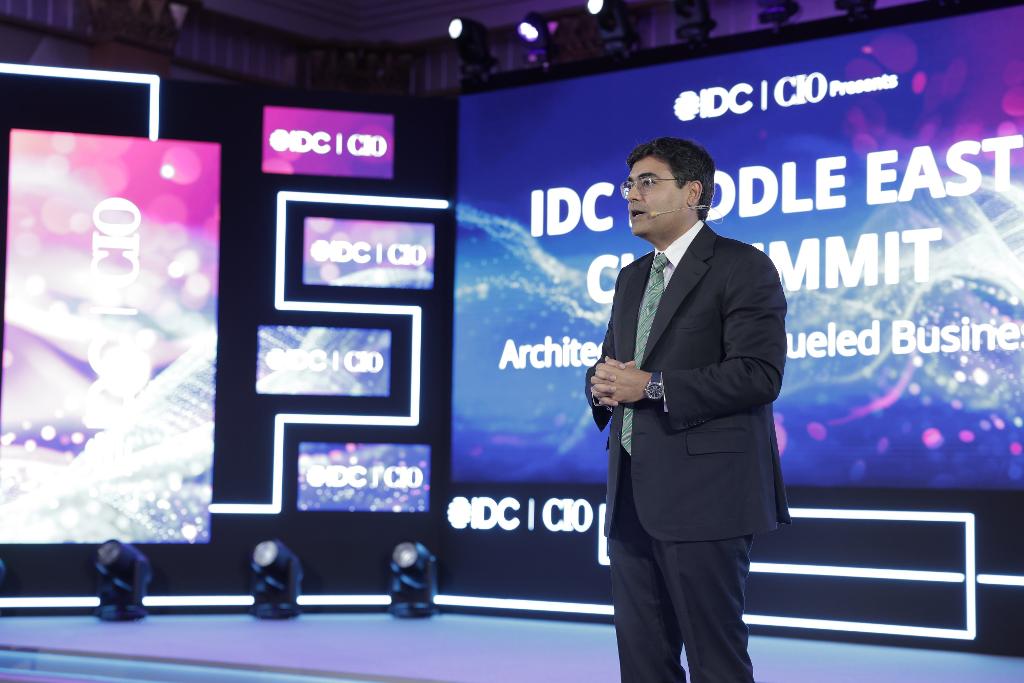
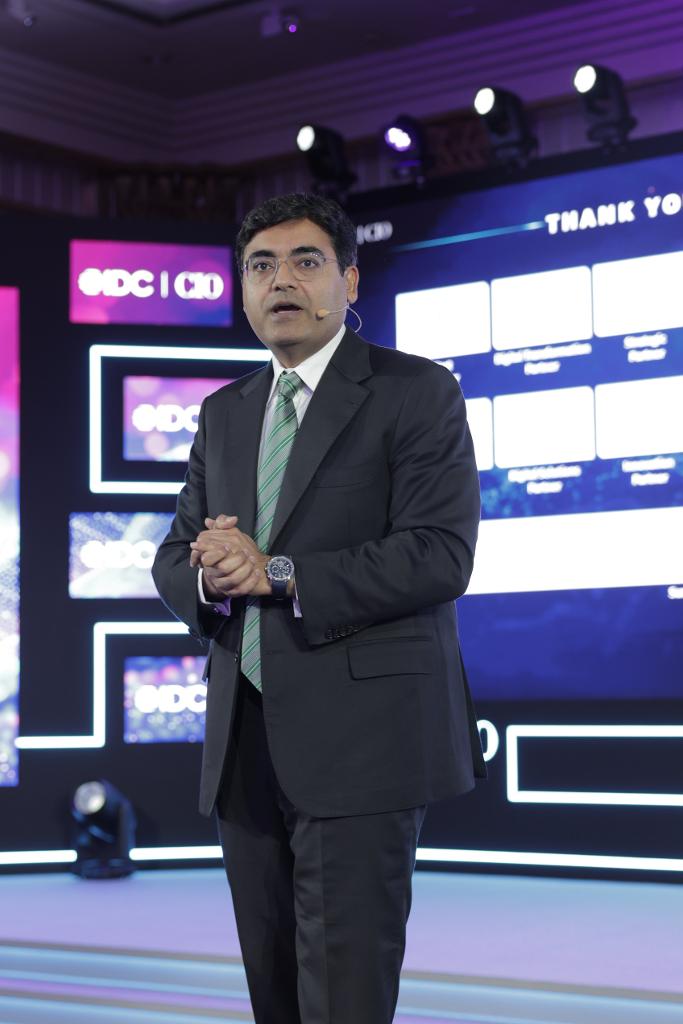
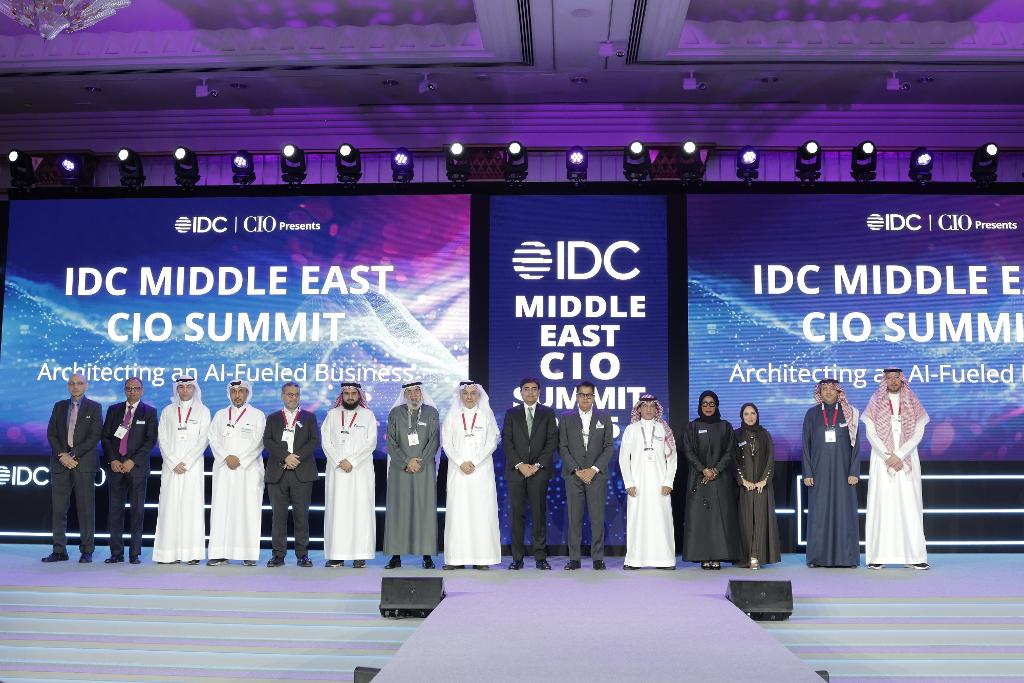
The last two years have seen unprecedented AI-driven innovation, boosted by the adoption of generative AI (GenAI) across entire organizations. C-suite executives and technology leaders across industries have been making significant investments in AI-led intelligence architecture and processes, with an increasing focus on advanced big data analytics, next-gen intelligent automation, intelligent applications, AIOps, AI-enabled security, and the convergence of AI and other technologies such as 5G connectivity, cloud, and IoT. Indeed, IDC's EMEA Emerging Tech Survey revealed that 72% of EMEA organizations are already using AI, or planning to do so in the next two years, highlighting its substantial impact across the region. This all promises an exciting, yet unpredictable future.
Business and technology leaders are facing countless opportunities and challenges on multiple fronts as they try to build strategies aimed at leveraging the full potential of AI. In order to be fully prepared, they must be able to identify critical developments in real time. They must also establish long-term strategies to ensure the fastest, most cost-effective, and fully trusted AI implementations, including the deployment of GenAI technologies at scale across business processes and the IT stack. Only then can their organizations successfully take on the challenges of an AI world and benefit from improved business agility and innovation while effectively mitigating the numerous associated risks.
The 2025 edition of the IDC Middle East CIO Summit will feature a stellar lineup of C-suite executives, influential analysts, industry thought leaders, international speakers, and market-leading solution providers. Together, they will discuss AI's role as the leading technology enabler of business strategy and the endless potential it provides enterprises across the region. This premier gathering of ICT experts will examine the industry's hottest topics, trends, and challenges, providing essential guidance on adapting to an unpredictable business landscape, implementing new business models, and scaling massively in the AI-powered digital economy.
Networking with Industry Leaders: Engage with top decision-makers, thought leaders, and solution providers from across the region to expand your professional network.
Expert Guidance on AI Strategies: Learn from a stellar lineup of C-suite executives, thought leaders, and industry analysts who will share their expertise on building AI-led intelligence architectures.
Uncover New Business Models: Discover how AI is creating new opportunities for business innovation and how to adapt to an unpredictable business landscape.
Future-Proof Your Business: Stay ahead of the curve by understanding the long-term implications of AI on business strategy, helping your organization thrive in the digital economy.
Cloud as the Foundation for AI: Explore how cloud platforms are enabling scalable, secure, and agile AI deployments, supporting the next wave of AI-driven innovation.
Address AI-Related Security Challenges and Solutions: Understand the risks associated with AI adoption, including security concerns around data breaches, AI model integrity, and compliance issues, and explore mitigation strategies and explore how AI can enhance cybersecurity strategies, enabling proactive threat detection and response capabilities.
Discover AI-Driven Innovation and Implementations: Understand how organizations are adopting and leveraging generative AI (GenAI) to drive business transformation across industries. And, how to scale GenAI technologies across business processes and IT infrastructure, ensuring cost-effective and trusted real-world case studies of implementations.
Future-Proof Your Business: Stay ahead of the curve by understanding the long-term implications of AI on business strategy, helping your organization thrive in the digital economy.
Join the esteemed Futurist, AI Ethicist, Author & Thought Leader LIVE as he takes you on a visionary journey into the future of technology and society.
Step into the extraordinary as Golden Buzzer winners of America’s Got Talent and Britain’s Got Talent, James & Marina, kick off the Middle East CIO Summit 2025 with a mesmerizing blend of mind-reading, illusion, and interactive magic. This spellbinding opening will leave you questioning reality and set the stage for an unforgettable experience.But the magic doesn’t end here—James & Marina will be your hosts, infusing every session with their world-class mentalism and charisma for an electrifying experience!
8:45
IDC Welcome Address
Jyoti Lalchandani
Group Vice President & Regional Managing Director (META), IDC
8:55
Government Insights: AI, Cyber Resilience & National Growth
HE Mohamed Al Kuwaiti, Head of Cybersecurity Council for the UAE Government, delivers the opening address, exploring how AI is transforming cybersecurity, digital resilience, and national innovation. As AI reshapes industries and cyber threats evolve, his insights will set the stage for discussions on securing the future in an AI-powered world.
H.E. Dr. Mohamed Hamad Al Kuwaiti
Head of Cybersecurity Council for the UAE Government
9:05
Advisory Council Felicitation
9:20
IDC Opening Keynote: The AI Moment: Strategies for CIOs in the Middle East
AI, predicted to have a $19.9 trillion impact on the global economy by 2030, is reshaping economic landscapes, creating new revenue streams, and redefining competitive advantages. This session will provide unique insights and analysis drawn from IDC’s extensive study of CIOs and key decision-makers across the Middle East. It will provide a deeper understanding of current and planned AI strategies and use case road maps, covering key topics such as AI-ready data, unified governance, fit-for-purpose and scalable infrastructure, and AI talent.
Jyoti Lalchandani
Group Vice President & Regional Managing Director (META), IDC
9:50
Agentic AI for Enterprises: Driving Business Transformation
This keynote will highlight the transformative power of agentic AI in reshaping enterprises and businesses. It will explore its core capabilities in autonomous decision-making and multi-agent orchestration, presenting high-impact use cases and real-world examples with compelling ROI. The session will outline essential components for successful adoption, address challenges like ethical considerations and workforce readiness, and offer strategic considerations. It will conclude with a future outlook.
Topics to be covered:
- Introduction to agentic AI and its potential for enterprise and business transformation - Core capabilities of agentic AI - Multi-agent environments and orchestration needs - The business case: Uses cases and expected ROI from adopting agentic AI - Real-world examples - Essential components for successful enterprise adoption - Challenges and strategic considerations - Future outlook of agentic AI in business
H.E. Dr. Saeed Aldhaheri
Director, Center for Futures Studies, University of Dubai & President, Robotics and Automation Society
10:05
Managing AI Adoption: Internal Readiness & Change Management in the Age of AI
As the MENA region enters the "Intelligent Era," organizations must do more than implement new technologies — they must evolve to be more agile, resilient, and human centric in the face of digital disruption. This session will explore how AI is transforming industries by enhancing both employee and customer experiences. It will showcase critical insights on aligning AI with business objectives, fostering a culture of continuous learning, and leading through effective change management. And with a focus on internal readiness, strategic leadership, and responsible AI integration, attendees will be presented with proven strategies to help their organizations embrace AI effectively and navigate this transformative journey for long-term success.
Miguel A. Villalonga
COO, e& enterprise
10:25
Agentic Experiences Will Power the Next Digital Revolution
Agentic is a new way of building digital experiences powered by innovations in AI. It takes us away from building deterministic digital journeys to probabilistic. This requires a complete rethink across the entire stack and the talent base. This session will introduce the audience to agentic, how to leverage it now, and how to unlock significant business value.
Sunil Karkera
Chief Executive Officer, BORN (a part of Tech Mahindra)
10:45
Unleashing Efficiency: The Synergistic Relationship Between AI and Low-Code Process Automation
The power and promise of AI have led many government and business leaders to adopt an "AI Everywhere" mindset. Across the Middle East, governments and organizations alike are prioritizing AI. Recently, Abu Dhabi announced its Government Digital Strategy 2025–2027, with the goal of becoming the world's first fully AI-native government across all digital services. AI and low-code process automation have a synergistic relationship, enabling and enhancing the other. This session will explore how low-code automation enhances operational capabilities and provides the necessary data, consistency, and scalability for AI to thrive. This will enable Abu Dhabi and other governments in the region, as well as private organizations, to fully realize the potential of AI-driven innovation
Ayman El-Hattab
Regional Vice President, Emerging Markets, Nintex
11:05
AI-Native Products: Driving Enterprise Efficiency and Informed Decision-Making
As AI adoption accelerates, enterprises will face a critical challenge — generic AI models that are not built for the scalability, modularity, security, or integration that businesses require. This session will explore how domain-specific AI solutions are being pioneered to drive real business outcomes. It will also highlight a foundational AI platform designed to integrate various models and enable scalable, agentic AI solutions tailored to enterprise needs. Additionally, the session discusses an approach to responsible AI, examining how large language models are built to ensure trust and provide equitable access to AI.
Ashish Koshy
Chief Operating Officer, Inception
11:25
Enabling Industries: The Global AI Infrastructure Capacity Build Out
Talal Al Kaissi
EVP - Chief Government Affairs & Partnerships Officer, Core42
11:45
AI-First Enterprise: A CIO's Journey!
Haitham Elkhatib
Co-Founder & Chief Revenue Officer, UnifyApps
12:05
Tea / Coffee & Networking Break
Engage, Explore, and Network—Where technology meets unforgettable moments!
Make the most of your networking break with exciting experiences! Enjoy coffee or ice cream from the Robotic Arm Café, capture memories at the AI Photobooth, and refresh at the Mocktail Station. Pick up your exclusive AI T-shirt, craft a signature scent at the Perfumery Station, or get a fun Caricature. Need a quick check-up? Visit the Health Zone for expert advice.
12:15 13:25
Technology Focus Group Session - Cluster A (Parallel Sessions)
Track 01: Powering Organizations with AI-Enabled Apps and Experiences
12:15 - 12:20
Opening Act
12:20 - 12:25
Session Overview
Attend the Track, Ask Questions, Rate Sessions & Stand a Chance to win iPhone 16
Nitesh Rathi
Senior Research Analyst, IDC
12:25 - 12:40
Rebuilding Businesses for the Future: AI, Computer Vision, Robotics, and Digital Twins
In a world rapidly evolving with AI and automation, businesses across all sectors face the urgent need to adapt or risk falling behind. This session will explore how these transformative technologies can revolutionize operations, enhance efficiency, and drive sustainable growth. From optimizing workflows to gaining valuable insights, the presentation delves into the practical role of AI, computer vision, robotics, and digital twins in shaping the future of business and showcases their potential to address industry-specific challenges. Existing solutions can be tailored to unique needs, helping organizations unlock new opportunities and stay ahead of the competition. Join us to discover real-world applications of these state-of-the-art technologies and learn how they can revolutionize operations.
Georges Bou-Issa
Business Development Associate, Inmind.ai
12:40 - 12:55
From Challenges to Solutions: Achieving Quality Excellence in an App-Centric World
In a fast-paced, app-driven world, the challenges of delivering quality software at scale are real - but solvable. This session dives into practical use cases and success stories that demonstrate how organizations can overcome common roadblocks in software delivery. By integrating quality into every step of the software lifecycle, organizations can improve efficiency, ensure reliability, and drive real business value. Join us to discover actionable strategies that turn challenges into opportunities and pave the way for quality excellence in today’s app-centric landscape.
Government Transformation through AI: Opportunities and Challenges
Nicolai Solling
CTO, Help AG
13:10 - 13:25
Mobile Versus Back-End DevOps: Five Differences
This session will explore the key distinctions between back-end and mobile DevOps, highlighting why traditional DevOps platforms (e.g., Azure DevOps, Jenkins) are incompatible with mobile development. It will outline key performance indicators like lead time, deployment frequency, and failure rates. It will also detail five major differences, namely OS-imposed constraints, the need for specialized expertise, binary-based deployments preventing hotfixes, manual app store reviews delaying releases, and complex code-signing for iOS and Android. The session will emphasize the importance of automation in mobile DevOps for streamlining processes and overcoming these challenges.
Mete Baydar
Vice President, Strategic Partnerships, Appcircle
13:25 - 13:25
Announcement of the iPhone 16 Raffle Draw Winner
Track 02: Driving ROI from AI and GenAI Investments
12:15 - 12:20
Opening Act
12:20 - 12:25
Session Overview Attend the Track, Ask Questions, Rate Sessions & Stand a Chance to win iPhone 16
Krishna Chinta
Program Manager, Telecommunications and IoT, IDC Middle East and Africa
12:25 - 12:40
The Cloud to Edge Continuum for AI Excellence
AI is all about scale, be it experimenting with multiple algorithms, trying out multiple LLMs, doing training, or fine-tunning on 100s of GPUs. But when it comes to inferencing, things get more complex due to optimizations as per use-case and deployment environments. The rapid growth of data from edge devices (IoT, sensors) and multicloud environments creates challenges in processing, security, and latency. Fragmented solutions can lead to increased operational complexity, inefficiencies, and potential security risks as businesses attempt to bridge cloud, edge, and AI technologies. This session will showcase a comprehensive, end-to-end platform that enables enterprises and start-ups to build their own sovereign AI super factory and deploy next-gen AI solutions anywhere from cloud to the edge.
Sandesh Bhatkal
Global Business Leader, AI Cloud, Tata Communications
12:40 - 12:55
Accelerate ROI from your AI/Copilot Implementation
Unlock the full potential of your AI investments with strategies to drive faster adoption and measurable ROI. Learn proven strategies to empower employees, optimize workflows, and maximize the impact of AI tools for increased productivity and efficiency.
Rajesh Ramasamy
Managing Director & Regional Head, Whatfix
12:55 - 13:10
Building AI Centers of Excellence: A Global Perspective for the MEA Region
This session delves into the key strategies and blueprints for establishing AI centers of excellence that are designed to empower organizations in harnessing the full power of AI. Attendees will explore how to drive innovation, accelerate AI adoption, and cultivate specialized talent to meet the demands of a dynamic digital landscape. The discussion will highlight best practices for integrating advanced AI capabilities, fostering collaboration across ecosystems, and deploying scalable emerging technologies. Gain actionable guidance to unlock transformative business outcomes and position your organization for sustained success in an AI-driven future.
Enas Ashraf
Senior Manager, Digital Evolution & Innovation, Crayon
13:10 - 13:25
Is Your Enterprise Ready to Tackle the Complexities of AI Development?
Enterprises are excited about AI and its potential to transform their businesses. However, widespread experimentation with generative AI is uncovering serious concerns about skill deficiencies, data governance, security, trustworthiness, and unanticipated costs. All signs point to a strong need for a unified developer data platform that can manage the new complexities of development in AI era. This session explores how a unified developer data platform can empower teams to build AI-driven applications without compromising scale, distribution, or costs.
Mustafa Cantekin
Solutions Engineering Leader, Couchbase
13:25 - 13:25
Announcement of the iPhone 16 Raffle Draw Winner
Track 03: Delivering Next-Gen Experiences with Data and AI
12:15 - 12:20
Opening Act
12:20 - 12:25
Session Overview Attend the Track, Ask Questions, Rate Sessions & Stand a Chance to win iPhone 16
Roberto Alunni
Senior Director, Data & Analytics (META), IDC
12:25 - 12:40
Beyond the Technology: Enhancing Digital Experiences for CIOs
In today's rapidly evolving digital landscape, businesses must innovate swiftly to stay competitive. A robust digital experience platform offers powerful tools for organizations to accelerate growth by harnessing the potential of low-code development and generative AI. With a flexible architecture, enterprises can create, deploy, and scale custom solutions with minimal coding, reducing time-to-market and driving efficiency. Additionally, by integrating generative AI capabilities, organizations can automate complex tasks, personalize user experiences, and foster a culture of continuous innovation.
Alaa Antar
Regional Sales Manager, Liferay
12:40 - 12:55
Unlocking the Value of AI with a Data Streaming Platform
To thrive in the evolving AI landscape, it is essential to steer clear of obstacles posed by outdated data-at-rest architectures. Organizations should construct a contemporary AI framework based on dynamic, real-time data. However, real-time AI requires trustworthy, relevant data served in the moment for smarter, faster insights. This is why data streaming is emerging as the fundamental infrastructure for the modern AI stack, enabling everyone to build powerful AI applications.
Steve Fernandes
Senior Manager, Solutions Engineering, Confluent
12:55 - 13:10
Secure, Intelligent, and Personalized: The Future of Digital Experiences with GenAI
In today’s digital-first world, generative AI (GenAI) is redefining how citizens, patients, and employees interact with services. This session explores how the fusion of GenAI and digital experience platforms enables intuitive, automated, and personalized journeys — driving efficiency and engagement across industries. From AI-powered self-service portals to intelligent automation in healthcare and workplace operations, the session will showcase real-world use cases that transform interactions into seamless, end-to-end experiences. Join this session to discover how organizations can harness GenAI to elevate service delivery, improve decision-making, and enhance user satisfaction in a rapidly evolving digital landscape.
Beshoy Fouad
Regional Digital Transformation Consultant, Iron Mountain
13:10 - 13:25
Real-World Success in the AI Era: Leveraging Cloud, Data, Business Intelligence, and Generative AI
Discover how organizations are navigating the AI revolution and achieving tangible success by leveraging cloud technology, advanced data strategies, and generative AI. This session will highlight real-world case studies, practical insights, and actionable strategies that empower businesses to solve complex challenges, drive innovation, and create value. Learn from industry experts and pioneers who are redefining what is possible in today's AI-driven landscape. Whether you are exploring AI for the first time or scaling its impact, this session will provide the inspiration and knowledge you need to thrive in the AI era.
Ugur Ozata
Regional Sales Manager, Oredata
13:25 - 13:25
Announcement of the iPhone 16 Raffle Draw Winner
Track 04: Charting a Security and Cloud Strategy for the Future AI-Fueled Enterprise
12:15 - 12:20
Opening Act
12:20 - 12:25
Session Overview Attend the Track, Ask Questions, Rate Sessions & Stand a Chance to win iPhone 16
Yogesh Gupta
Editorial Director, Events, India & META, Foundry
12:25 - 12:40
Preparing for the Future Threat Landscape: Cloud Security Trends
As cloud adoption accelerates, businesses face an evolving threat landscape that requires proactive security measures. This session examines key cloud security challenges: misconfigurations, malicious use of cloud environments, insider threats, and risks in multicloud deployments. It will explore the growing impact of cross-domain attacks, where adversaries target cloud workloads, identities, and endpoints to breach systems. Learn how advanced solutions can help organizations to detect threats, reduce risks, and protect their environments. It will also showcase unique platform capabilities that provide complete oversight of your environment, risk mitigation and visualization, and dark web monitoring to protect your business against the most sophisticated threats.
Aaron Hambleton
Director (MEA), SecurityHQ
12:40 - 12:55
Data-driven Decision Making: Empowering Organizations for Success
Dominic Thomas
Regional Director, Middle East, Rubrik
12:55 - 13:10
Supercharge AI Anywhere!
Supercharge your AI initiatives and learn how to enable AI capabilities anywhere — on premises, in the cloud, or at the edge — using advanced solutions. This session will showcase real-world use cases, highlight best practices, and identify the tools you need to transform data into actionable, AI-driven insights. Do not miss this opportunity to stay ahead in the AI revolution!
Tariq Salameh
Solutions Engineering Team Lead, Cloudera
13:10 - 13:25
Coding Reinvented: How AI Agents Are Shaping the Future of Software Development
In the ever-evolving world of software development, the challenges of managing complex codebases, avoiding burnout, and meeting the demand for faster delivery cycles are more pressing than ever. Enter AI agents: intelligent assistants designed to revolutionize the coding experience. In this talk, Archie explores how AI agents are transforming software development by automating repetitive tasks, solving problems with context-aware insights, and empowering developers to focus on creativity and innovation. Further, Archie explores the future of these agentic systems and how these agents will shape software development.
Archie Sharma
Chief Operating Officer, GTM, Zencoder
13:25 - 13:25
Announcement of the iPhone 16 Raffle Draw Winner
12:16 13:22
Technology Focus Group Session - Cluster B (Parallel Sessions)
Track 05: Modern Cybersecurity and Resilience Strategies for the Digital Enterprise
12:15 - 12:20
Opening Act
12:20 - 12:25
Session Overview Attend the Track, Ask Questions, Rate Sessions & Stand a Chance to win iPhone 16
Victoria Mendes
Senior Research Analyst, Enterprise Infrastructure, META
12:25 - 12:40
Data Resilience to Keep Your Business Running
In today’s digital landscape, It is important now more than ever for organizations to safeguard their data. Veeam’s Data Platform offers robust solutions for data resilience, including Veeam Data Cloud, comprehensive M365 data protection and more. By securing backups and critical data against cyber threats, Veeam empowers organizations to maintain operations, mitigate risks, ensure continuity and achieve compliance with advanced data protection. With the ability to protect, manage, and quickly recover your data, Veeam ensures that your business remains resilient, no matter the challenges you face.
Ankit Rajpal
Senior Territory Manager, Veeam Software
12:40 - 12:55
Evolution of the SIEM for the AI Era
The security landscape is undergoing a paradigm shift, with AI redefining how we approach threat detection, response, and risk management. This session will explore the evolution of security information and event management (SIEM) technology, highlighting how AI and machine learning are driving innovation to address modern-day cybersecurity challenges. Learn how advanced analytics, automation, and contextual insights are enabling organizations to stay ahead of sophisticated threats, reduce alert fatigue, and enhance operational efficiency. Join us to discover the future of SIEM in an AI-driven world.
Sheik Abideen
Regional Director, Securonix
12:55 - 13:10
Building Networks for AI Workloads
The increasing prominence of AI necessitates robust and efficient networks that support AI workloads and their associated data. Enterprise environments require networks that are secure, resilient, and automated and capable of delivering high throughput, low latency, and scalability.
As the digital landscape evolves, the need for seamless, secure authentication has never been greater. This session will explore the future of customer identity and access management (CIAM), with a focus on the transformative power of passwordless authentication. Industry experts will explore how passwordless solutions enhance user experience, strengthen security, and streamline access management across diverse platforms. Attendees will gain insights into emerging trends, the latest technologies, and best practices for implementing passwordless authentication within a CIAM framework. Join us as we discuss the next generation of identity management, where convenience and security go hand in hand.
Abdullah Masud
Senior Sales Engineer, Ping Identity
13:25 - 13:25
Announcement of the iPhone 16 Raffle Draw Winner
Track 06: Modern Software Development and Deployment Strategies for AI-Enabled Organizations
12:15 - 12:20
Opening Act
12:20 - 12:25
Session Overview Attend the Track, Ask Questions, Rate Sessions & Stand a Chance to win iPhone 16
Suraj Godse
Senior Research Analyst, IT Services
12:25 - 12:40
Breaking Software Delivery Barriers with AI-Powered Low Code
Software development is becoming increasingly complex, with traditional methods struggling to keep pace. Complexities such as fragmented toolsets, limited collaboration between business and IT, and lack of developer capacity create bottlenecks that hinder innovation. This session dives into such complexities and explores how AI-powered low-code development provides a more agile and efficient solution. By accelerating development, fostering collaboration, and streamlining deployment, AI-powered low code enables organizations to accelerate the full software development life cycle and drive digital transformation.
Rami Bou Hadir
Presales Solution Architect, Mendix
12:40 - 12:55
Embracing the Future: Leveraging AI and ML in Cloud Environments
Welcome to the contact center of the future — where AI isn't just a tool, but the driving force behind every breakthrough. With Microsoft Dynamics 365 and Copilot, an all-in-one platform, envision a world where customer interactions are smarter (think real-time problem-solving), faster (resolutions in seconds, not hours), and unexpectedly human (empathy powered by predictive intelligence). This unified powerhouse breaks down data barriers, turning insights into action so your teams collaborate effortlessly and customers feel seen, heard, and valued — all within one intelligent ecosystem.
Samah Seddeik
Presales Lead, Link Development
13:10 - 13:25
Building an Intelligent Data Infrastructure for Accelerating AI Adoption
This session will discuss how the latest generation of intelligent data infrastructure can empower organizations to accelerate AI adoption. Discover how to optimize data management, enhance performance, and protect AI workloads with a modern, scalable, and secure foundation for the AI era.
Walid Issa
Senior Manager, Solution Engineering, NetApp
13:25 - 13:25
Announcement of the iPhone 16 Raffle Draw Winner
Track 07: Reimagining Security and Resilience in the AI Everywhere Era
12:15 - 12:20
Opening Act
12:20 - 12:25
Session Overview Attend the Track, Ask Questions, Rate Sessions & Stand a Chance to win iPhone 16
Manish Ranjan
Director, Software & Cloud (D&A), EMEA, IDC
12:25 - 12:40
Risk, Readiness, and Recoverability
The session will unpack some best practices from the field when it comes to cyber resilience, cyber recovery, and the relaunch of business systems following cyberattacks. Risk, readiness, and recoverability are the three Rs which will be the focus of the session.
Ravi Baldev Singh
Senior Director, Sales Engineering, Commvault
12:40 - 12:55
AI in Oil and Gas: Driving Efficiency and Sustainability
12:55 - 13:10
Smarter AI, Stronger Apps
AI and business applications are two sides of the same coin — one enables intelligence, while the other ensures scalability, efficiency, and enterprise-wide impact. However, both face limitations when operating in silos. AI struggles without structured data, seamless integration, and real-world applications, while business applications fall short without automation, predictive capabilities, and adaptability. Low code/no code (LCNC) bridges this gap, accelerating AI adoption while enhancing the agility and intelligence of business applications. This session will explore how LCNC empowers enterprises to break down adoption barriers, drive real-time decision-making, and create a new wave of smarter, more connected, and high-ROI solutions.
Aly Hassballah
Director, Delivery & Solutions, CODE81
13:10 - 13:25
Taking Control and Securing your Cyber Physical Systems
Cyber-physical systems (CPS) are revolutionizing industries but also introducing complex security challenges, with threats ranging from ransomware to supply chain attacks. This session will showcase how organizations can take control of their CPS environments with an integrated approach to cybersecurity and operational resilience. Learn how cutting-edge technologies, including AI-driven threat detection and predictive analytics, provide the tools to secure critical assets, maintain system integrity, and ensure uptime. Gain insights into actionable strategies that safeguard CPS environments across sectors, helping your organization adapt to emerging threats and build a future-ready cybersecurity framework. Stay in control, stay secure.
Bachir Moussa
Regional Vice President, Nozomi Networks
13:25 - 13:25
Announcement of the iPhone 16 Raffle Draw Winner
Track 08: Envisioning Resilience, Agility, and IT Automation in the Cloud and AI Era
12:15 - 12:20
Opening Act
12:20 - 12:25
Session Overview Attend the Track, Ask Questions, Rate Sessions & Stand a Chance to win iPhone 16
Jebin George
Senior Research Manager, Software, Cloud, and Industry Transformation, IDC MEA
12:25 - 12:40
Protecting Critical Infrastructure from the Rise of AI-Borne Threats
AI is revolutionizing industries, but it is also empowering threat actors with sophisticated tools to exploit vulnerabilities in critical infrastructure. This session explores the dangers of AI-borne threats and demonstrates how they are capable of evading traditional defenses. The session delves into real-world scenarios, highlighting the dangers of AI-driven attacks and identifying the unique challenges they pose to IT and operational technology environments. Discover emerging strategies, technologies, and best practices for fortifying your defenses and ensuring your organization remains resilient against unprecedented threats in the age of AI. Do not just adapt — stay one step ahead.
Saif Alrefai
Solution Engineering Manager, OPSWAT
12:40 - 12:55
The GenAI Adoption Journey for Enterprises
Adopting generative AI in business requires strategic planning, identification of use cases where AI can add value, selection of the right tools, and the integration of all of this into new or existing systems. It is a multi-stage transformative journey that requires organizations to overcome many challenges, such as data quality and architecture, data privacy, skill gaps, and AI ethical concerns. Discover how to navigate the journey for a successful GenAI adoption that can improve operational efficiency, drive innovation for growth opportunities, and empower decision-making to give your business a competitive edge.
Ali Nahle
Senior Technology Advisor, Kyndryl
12:55 - 13:10
The Cloud Imperative: Enabling AI-powered Business Transformation
Mouteih Chaghlil
CEO (Middle East & Africa), Bespin Global
13:10 - 13:25
The Future of Enterprise Cloud: Faster, Smarter, Serverless
Modern enterprises face challenges in digital transformation due to complex cloud infrastructures and a shortage of specialized talent. This session will explain how you can simplify this process with an innovative serverless platform built on AWS that enables companies to achieve 10x faster development, 70% cloud cost savings, and seamless scalability.
Emre Öget
Partner & Chief Operating Officer, Retter
13:25 - 13:25
Announcement of the iPhone 16 Raffle Draw Winner
13:25
Refresh & Regroup
13:40 14:10
For The CIO- By The CIO Tracks (Parallel Sessions)
Track A: IT Teams for the AI Future: Attracting, Retaining, and Upskilling Talent
13:40 - 14:10
IT Teams for the AI Future: Attracting, Retaining, and Upskilling Talent
IT organizations are transforming to meet the evolving needs of the future AI-infused enterprise, with CIOs, data heads, and AI leaders leading this transformation. This session will explore different angles of talent development for IT teams for the AI-enabled organization. This will include skill assessment and gap analysis for tech skills around AI models, apps, and tools, data architecture, security, and governance needed to support the AI business models, as well as use cases, business and non-tech skills, cross-functional collaboration and change management skills. By addressing these angles, IT leaders can structure their teams optimally to meet the demands of the future enterprise, ensuring they are equipped with the necessary skills and knowledge to thrive in a rapidly changing landscape.
Ahmad M. Al Mulla
Chief Technology Officer, Emirates Water and Electricity Co. (UAE)
Adam Lalani
Chief Technology Officer, Alliad (UAE)
Ahmed Al Zarouni
First VP Head of IT, Government Entity (UAE)
Amina Abdulrahim
Executive Director of ICT and IT Security, American University of Sharjah (AUS) (UAE)
Yousef A. Alsuhaibani
Chief Information Officer, Mobily (KSA)
Khaled Salem
CIO, BSF-JB (KSA)
Dion Thorpe
Vice President, Digital, Bahri (KSA)
Track B: Cross-Functional Collaboration in the Future Enterprise
13:40 - 14:10
Cross-Functional Collaboration in the Future Enterprise
Aligning IT strategies with line-of-business (LOB) strategies has become ever more critical to achieving business agility and resilience. In the age of AI everywhere, while advanced technology can accelerate business outcomes, frameworks for ensuring alignment with other functions on strategy, LOB needs, execution, expected outcomes, governance, risk management are crucial to business success. This session will explore how practices and operating models are evolving to enable greater alignment and collaboration between IT functions and other LOB functions like HR, finance, and operations.
Paul Potgieter
Director, Technology & Digital Platforms, NEOM (UAE)
Jasim Abdul Rahman
Group Chief Information Officer & Chief Data Officer, Power International Holding - PIH (Qatar)
Saket Saith
Group Chief Technology & Data Officer, RAKBANK (UAE)
Mounir Abdelmoujoud
Group Chief Information Officer & ED Group Technology, Aldar (UAE)
Georges De Moura
Group Vice President and CISO, EDGE Group (UAE)
Giovanni Everduin
Chief Strategy & Innovation Officer, Commercial Bank International (UAE)
14:10 14:40
For The CIO- By The CIO Tracks (Parallel Sessions)
Track C: Driving Innovation While Safeguarding Against Spiraling Costs: Smarter IT Spending
14:10 - 14:40
Driving Innovation While Safeguarding Against Spiraling Costs: Smarter IT Spending
Digital innovation demands experimentation and piloting of new technologies and an appetite to absorb failures before they are optimized for operations and begin to show success. Experimentation and failures can quickly lead to spiraling costs and are disruptive to the traditional budgeting view. This session will discuss how tech leaders can manage and structure their expenditure and costs to account for experimentation and failure without hampering digital innovation.
Dr. Nils Lukas
Assistant Professor , Mohammed Bin Zayed University for AI (MBZUAI) (UAE)
Manoj Bhojwani
Global CIO, Abu Dhabi Islamic Bank (UAE)
Nikolai Belstein
Chief Information Security Officer, Boubyan Bank (Kuwait)
Dr. Ali Al Kazimi
Chief Information Security Officer, Leading Private Bank in Kuwait
Eng. Majed Mohammad Ayoub Alshodari
CIO & CISO, Ministry of Hajj and Umrah (KSA)
Dr Ali Al Sanousi
Executive Director, Clinical Information Systems, Hamad Medical Corporation (Qatar)
Gaurav Duggal
Senior Vice President - IT & Security, Jio Platforms Limited
Track D: Delivering Superior Customer Experiences Through AI
14:10 - 14:40
Delivering Superior Customer Experiences Through AI
Advances in AI are now powering the next level of customer experiences, including hyper-personalization, deep insights, automated customer interactions at scale, and augmented customer services. This session will discuss the latest CX strategies and how AI and data can enable these strategies to provide organizations with a competitive advantage.
Mohannad AlSalmi
Chief Information Officer, flyadeal (KSA)
Essa Haidar
Chief Technology Officer, Ooredoo (Kuwait)
Dr. Lt. Col. Hamad Khalifa AlNuaimi
Head of Telecommunications Division, Abu Dhabi Police (UAE)
Mamoun Al Homssey
Chief Technology Officer, Ajman Bank (UAE)
Marwan Al Marzooqi
Director Information Technology, Tadweer Group (UAE)
Sufiyan Chikhalia
Associate IT Director, Sunbulah Group (KSA)
Latifa Al Shehhi
Director of Investment Data Department, Ministry of Investment (UAE)
14:40
Lunch
8:30
Registration & Networking
Arrive Early & Stand a Chance to Win Apple HomePod Mini!
8:50
IDC Welcome Address
8:55
Digital Governance: Leveraging AI to Enhance Public Services
Jyoti Lalchandani
Group Vice President & Regional Managing Director (META), IDC
H.E. Mubaraka M. Ali Ibrahim
Chief AI Officer, Emirates Health Services Establishment (UAE)
Lt. Col. Saeed Al Shebli
Deputy Director of Digital Security Department, Ministry of Interior (UAE)
Eng. Saad AlQahtani
Deputy Minister, Digital Transformation & IT, Ministry of Investment (KSA)
Eng. Huda Ahmed Mohsen
Chief of IT, Ministry of Information Affairs (Bahrain)
Eng. Meshal Bin Hussain
Chief AI Officer, IT Director, Ministry of Finance (UAE)
9:20
Approaches for Modernizing Applications
Modernizing enterprise applications like ERP used to mean "retire" or "replace." Today, technologies like cloud, containers, and microservices can modernize platforms that have been around for decades, allowing enterprises to extend the value of these investments. It also means there is an easier way to take advantage of technologies like AI and analytics without replatforming. Finally, DevOps and agile mean that applications evolve constantly and cannot be "shut down" easily. Join us for invaluable perspectives on this topic, including real-world examples for the best approaches to modernize your applications.
Eric Helmer
Senior Vice President & Global Chief Technology Officer, Rimini Street
9:40
AI Foundry and AI Force: A Full-Stack Approach to GenAI
This session will highlight how a full-stack approach accelerates innovation and delivers substantial business value by applying GenAI to high-impact use cases. Attendees will gain insights into real-world examples demonstrating how Gen AI enhances customer experiences, optimizes operations, and drives business growth. Join us to discover actionable strategies for organizations to unlock the full potential of AI for scalable, impactful solutions.
Anuj Gupta
Director AI-Labs, HCLTech
10:00
After AI: Reinventing Data, Insights, and Action Amidst the Noise
AI brings both promise and risk, evolving so rapidly that even experts struggle to keep up. As data leaders, we must shape the responsible use of AI now, particularly as the decisions we make today will define its impact tomorrow. In this session, we will explore key AI and data trends to help you navigate the shift and make informed, future-proof decisions.
Martin Tombs
Vice President, Go-to-Market Analytics, Qlik
10:20
Pioneering the Future with AI-Infused Modern Application Development
This session will explore the next frontier in app creation. Discover how AI-powered capabilities are transforming the way businesses build, scale, and optimize applications, and learn how organizations are leveraging AI to enhance development speed, improve user experiences, and drive innovation. This session will further provide actionable insights into how modern application development is evolving with AI at its core. Do not miss the chance to stay ahead in the rapidly changing tech landscape.
Youhanna Sidrak
Regional Sales Director (MEA), OutSystems
Osman Sief
Vice President, Sales & Marketing, Envnt
10:40
Driving Innovation Through AI: Strategies for Tomorrow
The current market for datacenter server accelerators is marked by a need for better economics and an open ecosystem that allows vendor choice without sacrificing performance. The introduction of AMD Instinct MI300X marks the next phase of GPU evolution. It offers excellent levels of performance, scalability, and efficiency for AI workloads. Boasting a remarkable combination of high-performance computing and deep learning capabilities, the AMD Instinct MI300X appeals to data scientists, researchers, and developers alike. With its potential to revolutionize the AI industry and accelerate the development of next-generation applications, it is an exciting time for AMD to play an integral role in shaping the future of this rapidly growing industry.
Zaid F. Ghattas
Commercial Lead, AMD
11:00 11:55
Summit Tracks (Parallel Sessions)
Summit Track A: Charting Strategies for Secure and Responsible AI
11:00 - 11:05
Opening Act: Dubai Police Band Performance
11:05 - 11:10
Session Overview Attend the Track, Ask Questions, Rate Sessions & Stand a Chance to win iPhone 16
Nikunj Desai
Head of Cybersecurity, Commercial Bank of Qatar
11:10 - 11:25
Maximizing AI Adoption in a Safe and Secure approach
AI offers the promise of unprecedented efficiency, innovation, and competitiveness. However, this transformative journey is not without its perils. This session will explore how organizations must navigate a delicate cybersecurity tightrope as AI adoption accelerates — balancing the drive for AI-driven progress with the crucial need to protect sensitive data and critical infrastructure.
Abdulrahman Safwat
Solutions Engineer, Cloudflare
11:25 - 11:40
Observability for AI Models, Services & Applications
Roman Spitzbart
Vice President of Solutions Engineering, Dynatrace
11:40 - 11:55
Turn the Promise of AI into Practice
This session will explain how you can achieve tangible results with a secure AI orchestration framework that increases data trust and improves business productivity. Discover how the latest enterprise AI frameworks can help you unlock AI's full potential for innovation and data-driven success while ensuring robust data governance and seamless AI integration with core applications and data sources to produce grounded and vetted outcomes. Join us to discover how your organization can turn the promise of AI into reality by enabling data-driven decision-making and unlocking AI's full potential to achieve remarkable business outcomes.
Larbi Belbecir
Senior Solutions Consultant, Boomi
11:55 - 11:56
Announcement of the iPhone 16 Raffle Draw Winner
Summit Track B: Implementing Modern ITOps and Data Strategies in the AI-Fueled Enterprise
11:00 - 11:05
Opening Act: Dubai Police Band Performance
11:05 - 11:10
Session Overview Attend the Track, Ask Questions, Rate Sessions & Stand a Chance to win iPhone 16
Yogesh Gupta
Editorial Director, Events, India & META, Foundry
11:10 - 11:25
AI-Powered ITOps for Sustainable Business Growth
Charbel Khneisser
SVP, Global Solutions Engineering, Riverbed Technology
11:25 - 11:40
From Data Silos to AI Insights: How To Power Intelligent Enterprises
Data silos? They’re the enemy of progress. This session will explain how you can obliterate these barriers to unleash the full power of AI. Imagine real-time, unified data flowing seamlessly across your entire enterprise — fueling smarter decisions and faster innovation. This isn't just theory; it's happening now. The latest developments in data virtualization tech are supercharging AI initiatives, turning chaos into clarity and complexity into action. The future of intelligent enterprises isn't tomorrow — it's today. Join us to see how we are rewiring data strategies and redefining what's possible in the AI revolution. Get ready to disrupt.
Dr. Alexey Sidorov
Chief Evangelist & Data Management Director, MEA, Denodo
11:40 - 11:55
Revolutionizing Customer Experience: Integrating Digital Business Strategies in CCaaS (Contact Center as a Service) Solutions
Glen Rattray
Director CX professional services, e& enterprise
11:55 - 11:56
Announcement of the iPhone 16 Raffle Draw Winner
11:55
Tea/ Coffee & Networking Break
Engage, explore, and network—where technology meets unforgettable moments!
Make the most of your networking break with exciting experiences! Enjoy coffee or ice cream from the Robotic Arm Café, capture memories at the AI Photobooth, and refresh at the Mocktail Station. Pick up your exclusive AI T-shirt, craft a signature scent at the Perfumery Station, or get a fun Caricature. Need a quick check-up? Visit the Health Zone for expert advice.
Analyst Spotlight The AI Everywhere Era in the Public Sector
Massimiliano Claps, Research Director, IDC
AI and GenAI are having an increasingly pervasive impact on government — across missions, use cases, processes, and systems — in the Middle East and beyond. The disruptive impact of these technologies, compounded by geopolitical volatility, technical debt, digital sovereignty concerns, elevated citizen expectations, and regulatory changes, will require government leaders to approach innovation holistically. The acquisition and implementation of new technologies will not be enough. Realizing the benefits of AI, cloud, and industry platforms will require revisiting governance, risk management, culture, and the building of competencies to accelerate innovation.
Analyst Spotlight Enabling AI Outcomes with Cybersecurity
Frank Dickson, Group Vice President, Security & Trust, IDC
GenAI was coming. Predictive AI was coming. No . . . wait, it was already here. Anyway, we sit here today focused on the art and the genuineness of the possible.
As we consider and dream of the possible, we sometimes forget the reality of the now. Between the hype around GenAI and the COVID-19 pandemic before that, we sometimes fail to acknowledge that cybersecurity has grown up. Once the dominion of hoodie-wearing basement dwellers, the topic has elevated to the C-suite and beyond. Attacks from the cyberthreat landscape do not just present a technical risk — the ramifications create a risk to the organization itself. In essence, cyber risk equals business risk.
Partner Spotlight Rebuilding Businesses for the Future: AI, Computer Vision, Robotics, and Digital Twins
Georges Bou-Issa, Business Development Associate, Inmind.ai
In a rapidly changing technological landscape, companies face a pivotal decision: adapt to the transformative capabilities of artificial intelligence and automation or risk falling behind. A recent study by IDC reveals that the global artificial intelligence market stands at nearly $235 billion, with projections indicating a rise to over $631 billion by 2028, with significant investments in sectors such as software, banking, and retail. These sectors are increasingly leveraging AI to enhance operational efficiency and personalize customer interactions (Massey, K., 2024). With the rise of generative AI, more organizations are implementing these advanced tools, highlighting their integral role across industries.
CXO Spotlight Changing Investment Management Landscape With AI
Waqas Butt, Group Head of ICT & AI, Alpha Dhabi Holding
AI in the investment sector is a key enabler for transforming financial landscapes or M&A- and IM-focused organizations. Leveraging AI will revolutionize the investment sector and bring huge transformative changes that enhance decision-making, improve efficiency, and drive innovation.
Advanced data analytics are integral tools for investors, financial analysts, and portfolio managers since they lead to quick time to value for the following segments of business:
CXO Spotlight AI in Conglomerates: Unifying Innovation Across Multiple Verticals
Mario Foster, Group Chief Information Officer, Al Ghurair Group
Conglomerates, especially family-owned businesses, manage a complex array of industries, including real estate, manufacturing, construction, automotive, food, retail, logistics, and FMCG, to name just a few. Each industry comes with its own set of challenges, expectations, and leadership goals. At Al Ghurair Group, we have found that AI not only serves as a critical enabler of innovation but also acts as a unifying force to address the diverse needs across these verticals.
CXO Spotlight Transformative Power: How AI is Reshaping Industries and Redefining Problem Solving
Damian O’Gara, CIO, Kent
Throughout my career I have seen some emerging technologies not entirely deliver on their expected promise, or their progress is hindered by regulatory and other constraints. Other technologies, mooted to transform our world, eventually find their niche, as in the case of blockchain and fintech, and others truly do become ubiquitous and land in the plateau of productivity — cloud computing being one.
Partner Spotlight Accelerate Your Customer Portal Project with Low Code
Alaa Antar, Regional Sales Manager, Liferay
Customer portals can be a vital tool for businesses looking to improve customer experience and satisfaction rates. They provide a central location for customers to access information, manage accounts, and interact with your company. Without the right technology, however, building a customer portal can be a complex and time-consuming process.
Partner Spotlight Preparing for New Cyber-Resilience Challenges in 2025
In 2025, we need to be prepared for increasing sophistication of existing challenges. Phishing is a clear example; the 2024 UK Government’s Cyber Security Breaches Survey identifies it as the most predominant attack vector, affecting 84% of those breached. While phishing itself is not new, cyberattacks like this have only grown in complexity as attackers exploit "mega trends" in technology that include artificial intelligence and cloud computing, among other factors.
Partner Spotlight Driving Cyber and Risk Focus in IoT/OT
As industrial and critical infrastructure organizations adopt AI to power already automated processes, the vulnerability of AI systems themselves is an emerging concern. Devious tactics such as data poisoning, large language model prompt injection, or ML model evasion pose a formidable challenge as threats.
Partner Spotlight Evolution of the SIEM for the AI Era: AI-Assisted SIEM 4.0
Sheik Abideen, Regional Sales Director, Securonix
With the rapid advent of artificial intelligence (AI), the world is undergoing yet another seismic transformation. Every industry is racing to integrate AI to gain a competitive edge. According to the World Economic Forum's Future of Jobs Report, AI is projected to displace 85 million jobs by 2025 while simultaneously creating 97 million new roles, signaling a shift in the division of labor between humans, machines, and algorithms.
Partner Spotlight Rethinking ERP Reimplementation in the Age of AI
Eric Helmer, Senior Vice President & Global Chief Technology Officer, Rimini Street
You want to innovate with AI, but your ERP vendor mandates a cloud reimplementation, leaving your customizations and data behind? Instead, choose a better way to maximize potential, gain flexibility, and reduce risk; here’s how.
Whether viewed through a lens of doom and gloom or hype and hope, the reality is that AI is on the leading edge of revenue generation, competitive advantage, and corporate growth.
Partner Spotlight Five Enterprise Backup and Recovery Solutions: Best Practices
Ankit Rajpal, Sr. Territory Manager (South Gulf), Veeam Software
As data becomes increasingly central to business operations, having the right enterprise backup and recovery solutions is more important now than ever. With data volumes on the rise, cyberthreats becoming more sophisticated, and IT environments growing more complex, it’s crucial for businesses to adopt effective strategies to safeguard their data and ensure quick recovery from any disruption. Here are five best practices to help you build a stronger, more resilient data protection framework for 2025.
Partner Spotlight Spotlight on Tech Innovation: The Impact of Serverless Architecture on Retail
The retail industry is undergoing a significant transformation, with serverless architecture emerging as a key enabler for businesses looking to adapt and thrive in the digital age. As online channels increasingly surpass traditional brick-and-mortar stores in importance, retailers face the challenge of delivering differentiated and seamless omnichannel experiences to stay competitive.
Partner Spotlight Three Key Areas of Focus for OT Cybersecurity in 2025 and Beyond
Sertan Selcuk, VP of Sales - METAP & CIS, OPSWAT
OT cybersecurity maturity continues to become more and more important every year. With unprecedented attacks targeting critical infrastructure, here are three critical areas of focus for strengthening OT security in 2025 and beyond.
Partner Spotlight AI-Powered ITOps for Sustainable Business Growth
Charbel Khneisser, SVP, Global Solutions Engineering, Riverbed Technology
The pressures on modern digital businesses are relentless. The rapid proliferation of new applications and services is driving an unprecedented surge in the volume, variety, and velocity of data. This flood of information generates a cascade of alerts, overwhelming IT teams and making it nearly impossible to manually analyze and correlate data while meeting operational expectations. As businesses scale, this challenge intensifies, demanding a more efficient, intelligent approach to IT operations.
In the face of ever-increasing attack trends, organizations are deploying a diverse range of security solutions across on-premises, cloud, and hybrid environments. These tools are essential for safeguarding assets, but their sheer volume and complexity introduce new challenges. Whether managed by internal teams or through outsourced operational services, ensuring that these security products are correctly implemented and consistently maintained is a time-consuming and resource-intensive process.
Partner Spotlight Shaping the Future of Business with Quality Engineering
Alberto Ferreira, Managing Director, Middle East & Asia, Noesis
Quality engineering has become the backbone of modern operations in today's fast-paced digital business world, where competition is relentless, and expectations are sky high. To illustrate its impact, imagine trying to run a marathon with a backpack full of bricks. That's your company without DevOps. Now, picture running that same marathon with a dedicated support team solving problems as they arise. That's the power of DevOps and quality engineering!
Tejas Mehta, Senior Vice President and General Manager, MEA, Qlik
As AI continues to evolve at an unprecedented pace, 2025 promises to be a pivotal year for redefining the roles of data, insights, and automation in business. The rapid adoption of AI introduces a blend of promise and peril, compelling organizations to adapt quickly to stay competitive.
At Qlik, we have identified three overarching themes that will shape the year ahead: authenticity, applied value, and autonomous agents.
Partner Spotlight Managing AI Adoption: Internal Readiness and Change Management in the Age of AI
Khalid Murshed, CEO, e& enterprise
As the MENA region advances in innovation, we are entering the "Intelligent Era," defined by the widespread use of cutting-edge technologies like AI, machine learning, and data analytics. In this era, organizational regeneration is crucial for success. This transformation goes beyond technology adoption; it is about reshaping businesses to be more agile, resilient, and human-centric in a constantly evolving landscape. According to IDC's Digital Executive Sentiment Survey, 2024, 78% of executives believe their organizations require a complete overhaul or new investments in AI and other areas such as cloud (73%) and integration tools (61%).
Partner Spotlight 2025 AI Predictions: The Future of Application Development
Youhanna Sidrak, Regional Sales Director (MEA), OutSystems
AI continues to transform industries and reshape how organizations operate. As we move into 2025, its impact on application development is more profound than ever. Organizations across the region are looking to AI-powered solutions to enhance efficiency, boost productivity, and deliver business value. As AI becomes more integrated into enterprise strategies, IT leaders must prepare for the shifts ahead. Here are five key AI predictions that will shape the future of application development:
Partner Spotlight Are you data and cloud ready for Generative AI?
Nicholas Ismail, Global Head of Brand Journalism, HCLTech
As businesses increasingly recognize the transformative potential of generative AI (GenAI), preparing for its implementation becomes a strategic imperative. While aspirations for GenAI are high, success depends on careful planning that integrates robust cloud infrastructure and comprehensive data readiness.
GenAI relies on high-quality, curated and proprietary data that is continuously refreshed. This requires organizations to prioritize thoughtful data operations, intelligent data management and the deployment of adaptive data platforms.
Partner Spotlight AI Beyond Borders: Unlocking Opportunities in Emerging Economies
Ashish Koshy, Chief Operating Officer, Inception
The year 2024 marked a pivotal point in AI’s transformative potential. With generative AI and large language models (LLMs) becoming more accessible, industries and economies underwent significant transformation. A recent report by IDC highlights that by 2030, every dollar invested in AI solutions will generate $4.60 in global economic output. However, as we enter 2025, the focus must shift to ensuring AI drives inclusive economic growth rather than exacerbating global disparities.
Partner Spotlight Fortifying Defenses Against AI-Powered Cyberthreats
Bahi Hour, Sr. Director of Solution Engineers, Xage Security
In 2024, a deepfake scam cost a Hong Kong-based company $25 million when cybercriminals used AI-generated voices to impersonate executives in a fraudulent transfer request. This incident is just one example of the powerful ways that AI is transforming the cyberthreat landscape. While AI enhances cybersecurity defenses by automating threat detection and response, it also gives attackers unprecedented capabilities to launch more sophisticated and adaptive cyberattacks.
Partner Spotlight How to Bridge the Gap Between Generative AI Ambitions and Readiness
Jim Freeman, CTO, Kyndryl ANZ
Generative AI (GenAI) is a topic of interest everywhere today — from homes and educational institutions to offices and executive boardrooms. GenAI, of course, refers to algorithms that can be used to create new content, including audio, code, images, text, simulations, and videos based on the data they have been trained on.
Partner Spotlight Agentic Experiences: A New Era of AI-Driven Workflows
Sunil Karkera, Chief Executive Officer, BORN (a part of Tech Mahindra)
The rapid evolution of artificial intelligence is pushing the boundaries of digital transformation, and one of the most significant shifts today is the rise of agentic AI. Unlike traditional AI models, which act as passive responders, agentic AI represents a new paradigm where AI agents operate autonomously, make decisions, and execute complex workflows.
Partner Spotlight Cloud Security Trends: Preparing for the Future Threat Landscape
Aaron Hambleton, Director (MEA), SecurityHQ
The shift to cloud computing has brought unprecedented opportunities for businesses while presenting significant security challenges. Misconfigurations, insider threats, and cross-domain attacks dominate cloud security discussions as attackers find increasingly sophisticated ways to exploit vulnerabilities.
CXO Spotlight AI in Government: How the UAE’s Competitive Edge Fueled Global Leadership
Lt. Col. Saeed Al Shebli, Deputy Director of Digital Security Department, Ministry of Interior (UAE)
The UAE has surged ahead in AI-driven governance by blending strategic vision with persuasive competition among its public institutions. Pioneering moves — like appointing the world’s first AI Minister (2017) and launching the UAE AI Strategy 2031 — set the stage, but the true catalyst has been fostering rivalry through initiatives such as the Mohammed Bin Rashid Government Excellence Award (MBRGEA). This award incentivizes entities to compete in innovation, efficiency, and digital transformation, turning AI adoption into a race for excellence.
Partner Spotlight Embracing an AI-First Mindset for Sustainable Growth
Alok Kumar, President (Middle East, Africa, and South Asia), Convene
Within the last few decades, the world has undoubtedly realized the huge benefits of embracing the mindset of digital first, automation first, mobile first, cloud first, and so on — both within business and general life. Today, the world is at another inflection point, with business needing to embrace an AI-first mindset to enable sustainable growth. And, as always, what applies in business will ultimately also apply in general life.
Partner Spotlight AI Will Define the Next Era of Computing
Zaid F. Ghattas, Commercial Lead, AMD
AI will define the next era of computing and is an important part of the digital and economic growth strategies of nations across the Middle East, Turkiye, and Africa (META). At the recent IDC Directions META 2025 event in Dubai, IDC revealed that it expects annual AI spending in the region to reach $14.6 billion by 2028.
Partner Spotlight Building Networks for AI Workloads in the Middle East: A Strategic Imperative
Irfan Khan, Vice President, Cloud & Infrastructure Services, LTIMindtree Middle East
As artificial intelligence is at the forefront of innovation worldwide, organizations in the Middle East are rapidly adopting AI-driven solutions to enhance efficiency, security, and precise decision-making. However, AI workloads require robust, high-performance networking infrastructure to support their scale and complexity. Enterprises across oil and gas, banking, and the public sector must ensure their networks are AI ready to harness the full potential of AI-driven innovation.
Partner Spotlight AI Infrastructure: Enabling the Next Wave of Industry Innovation
Talal Al Kaissi, EVP - Chief Government Affairs & Partnerships Officer, Core42
The global race for AI dominance isn't just about computational models — it's about building the foundational infrastructure that enables nations and enterprises to harness AI's true potential. As organizations witness the unprecedented pace of AI evolution, the critical challenge lies in creating robust, scalable infrastructures that can support AI transformation while respecting national sovereignty.
Contact Us
Ronita Bhattacharjee
Vice President - Conferences, IDC Middle East, Africa, & Turkey
Held in more than 30 countries, they foster networking, collaboration, engagement, and knowledge sharing among industry leaders and professionals. Each event is meticulously curated to provide valuable insights and meaningful connections through analysts and editor-led content, global perspectives, case studies presented by the world’s leading tech companies and a range of interactive formats including expert panels, live demos, roundtables, 1:1 meetings and workshops.
Partner Spotlight AI Infrastructure: Enabling the Next Wave of Industry Innovation
Talal Al Kaissi, EVP - Chief Government Affairs & Partnerships Officer, Core42
The global race for AI dominance isn't just about computational models — it's about building the foundational infrastructure that enables nations and enterprises to harness AI's true potential. As organizations witness the unprecedented pace of AI evolution, the critical challenge lies in creating robust, scalable infrastructures that can support AI transformation while respecting national sovereignty.
Leading enterprises recognize that successful AI implementation hinges on establishing the right infrastructure foundation. Organizations that will thrive in this new era are those that can balance rapid innovation with robust data governance, ensuring their AI journey is both ambitious and responsible.
Industries at the forefront of AI transformation understand that success depends on adopting scalable, secure, and versatile infrastructure that supports long-term innovation. As businesses accelerate toward a future powered by AI, the focus must be on leveraging global infrastructure that can scale with the growing demands of industry transformation.
This foundation enables rapid solution deployment, market adaptability, and unprecedented innovation speeds — empowering enterprises worldwide to confidently navigate their AI journey and reshape the possibilities within their industries.
Partner Spotlight Building Networks for AI Workloads in the Middle East: A Strategic Imperative
Irfan Khan, Vice President, Cloud & Infrastructure Services, LTIMindtree Middle East
As artificial intelligence is at the forefront of innovation worldwide, organizations in the Middle East are rapidly adopting AI-driven solutions to enhance efficiency, security, and precise decision-making. However, AI workloads require robust, high-performance networking infrastructure to support their scale and complexity. Enterprises across oil and gas, banking, and the public sector must ensure their networks are AI ready to harness the full potential of AI-driven innovation.
AI and Network Evolution: A Symbiotic Relationship
AI workloads generate and process massive amounts of data in real time, requiring ultra-low latency, high-bandwidth connectivity, and scalable network environment. Traditional networks often struggle to meet these demands, making AI-ready networking a critical investment for organizations seeking to optimize their AI-driven applications.
LTIMindtree’s purpose-fit transformation offerings and holistic approach provide intelligent, secure, and high-performance networking solutions designed to support AI workloads across diverse industry verticals.
Oil & Gas: Enhancing Operational Efficiency with AI
The Middle East’s oil and gas sector is leveraging AI to optimize exploration, production, and predictive maintenance. AI-driven seismic data analysis, remote monitoring of drilling rigs, and predictive analytics for equipment failures require real-time data transmission from edge locations to central datacenters or the cloud.
AI-powered networking solutions ensure seamless, secure, and high-speed connectivity between offshore rigs, refineries, and control centers. HPE Aruba EdgeConnect SD-WAN, for instance, enables oil and gas companies to connect remote sites with high resilience, ensuring minimal latency for AI applications that depend on real-time insights.
Banking & Financial Services: AI-Powered Fraud Detection and Customer Experience
The banking sector in the Middle East is witnessing a surge in AI-driven use cases, from fraud detection and risk management to hyper-personalized customer experiences. AI models require secure, high-speed networks to analyze real-time transactions and customer interactions while maintaining regulatory compliance.
Our Zero Trust Security framework ensures that sensitive financial data is protected across distributed environments. Aruba’s cloud-native network management platform leverages AI-driven automation to enhance operational efficiency, ensuring optimal application performance for AI workloads in banking.
Public Sector: Smart Cities and AI-Driven Governance
Governments across the Middle East are embracing AI to enhance citizen services, public safety, and Smart City initiatives. AI-powered surveillance, traffic management, and predictive analytics for urban planning require a highly resilient, scalable, and secure network infrastructure.
Together with HPE Aruba, we can integrate AI-based automation, security, and orchestration to deliver a unified, intelligent network for public sector applications. With AI-driven insights, government agencies can optimize resource allocation, improve cybersecurity, and ensure seamless connectivity for mission-critical operations.
The Future of AI-Ready Networking in the Middle East
As AI adoption accelerates across industries, the next generation of networking solutions are also evolving to meet growing AI demands. By investing in AI-optimized networks that delivers low latency, high bandwidth, and advanced security capabilities, organizations can unlock AI’s full potential, driving innovation and achieving new levels of efficiency and productivity.
At LTIMindtree, we are committed to empowering enterprises with cutting-edge networking solutions that enable AI-driven transformation. By building intelligent, secure, and high-performance networks, businesses in the Middle East can stay ahead in the AI era and drive innovation across their industries.
Partner Spotlight AI Will Define the Next Era of Computing
Zaid F. Ghattas, Commercial Lead, AMD
AI will define the next era of computing and is an important part of the digital and economic growth strategies of nations across the Middle East, Turkiye, and Africa (META). At the recent IDC Directions META 2025 event in Dubai, IDC revealed that it expects annual AI spending in the region to reach $14.6 billion by 2028.
The UAE and Saudi Arabia lead the way, going beyond investment of capital, and viewing AI as a holistic part of a broader cultural transformation, which places cutting-edge technology at the heart of government, the economy, and industry. This is true of Saudi Arabia’s Vision 2030 and the UAE National Strategy for Artificial Intelligence 2031.
These government-led initiatives provide strategic direction and drive public-private industry collaboration, which is vital given the almost infinite possibilities enabled by AI and the demand for skills, training, and education it will drive.
While there is a sense of urgency around the entire AI conversation, this really is just the beginning. We will only realize the full potential of AI when the technology is pervasive and spans from the cloud to the edge to endpoints.
This means that AI is being used to optimize data processing in the cloud; adding intelligence to the networks which connect devices; and increasingly improving performance and capabilities of the devices we use every day.
IDC's tech predictions for 2025–2029 refer to AI's huge potential to transform businesses and create new markets. The company predicts a pivot away from what it describes as the "GenAI scramble" as the industry regains its poise and refocuses on the bigger picture.
Part of this landscape is the world of opportunity beyond AI. Whether it's datacenter, cloud, or high-performance computing, businesses are investing in technologies that make them more intelligent, data driven, and efficient.
Furthermore, "efficiency" means different things to different people. Business leaders looking to build high-performance teams are using AI, data, and analytics to help their employees become more productive. Whereas CIOs are focused on maximizing the performance of their digital infrastructure — while reducing power consumption, cost, and physical server footprint.
So, while AI will define the next era of computing, it must form part of a diverse and cohesive digital strategy, which places as much emphasis on cultural change as on capital investment on technology infrastructure.
Partner Spotlight Embracing an AI-First Mindset for Sustainable Growth
Alok Kumar, President (Middle East, Africa, and South Asia), Convene
Within the last few decades, the world has undoubtedly realized the huge benefits of embracing the mindset of digital first, automation first, mobile first, cloud first, and so on — both within business and general life. Today, the world is at another inflection point, with business needing to embrace an AI-first mindset to enable sustainable growth. And, as always, what applies in business will ultimately also apply in general life.
As a member of the AI for Developing Countries Forum (AIFOD) and a certified professional in using neuroscience in business (Brain Computer Interface), I can share my experiences from the recent Geneva Summit 2025 held in January at the United Nations Office.
One of the highlights of the agenda was a discussion on the topic "Digital Sovereignty and Governance in the Age of AI." The critical action points identified the creation of a dynamic framework to:
• Balance regulation and innovation. • Protect data rights and privacy that respect national sovereignty while enabling cross-border collaboration. • Ensure all nations have an equitable voice in global AI governance, supported by effective public-private partnerships. • Prevent data colonialism while promoting responsible innovation and collaboration. • Ensure democratic and diverse global AI governance mechanisms that reflect the interests and concerns of all countries. • Measure and benchmark the AI maturity of a nation.
In October 2017, the UAE Government launched its 'UAE Strategy for Artificial Intelligence,’ which aims to achieve the objectives of UAE Centennial 2071, boost government performance at all levels, use an integrated smart digital system that can overcome challenges and provide quick efficient solutions, make the UAE the first in the field of AI investments in various sectors, and create a new vital market with high economic value.
At Convene, we have already embraced an AI-first mindset in our product road map and business operations to provide a best-in-class paperless board and committee meeting experience. Convene's other products (e.g., ESG reporting software) also use AI technologies to generate highly compliant, informative, and engaging ESG reports.
We are yet to see the best from AI; and we are standing ready to welcome it.
CXO Spotlight AI in Government: How the UAE’s Competitive Edge Fueled Global Leadership
Lt. Col. Saeed Al Shebli, Deputy Director of Digital Security Department, Ministry of Interior (UAE)
The UAE has surged ahead in AI-driven governance by blending strategic vision with persuasive competition among its public institutions. Pioneering moves — like appointing the world’s first AI Minister (2017) and launching the UAE AI Strategy 2031 — set the stage, but the true catalyst has been fostering rivalry through initiatives such as the Mohammed Bin Rashid Government Excellence Award (MBRGEA). This award incentivizes entities to compete in innovation, efficiency, and digital transformation, turning AI adoption into a race for excellence.
Departments vie for recognition by deploying cutting-edge solutions, inspiring others to upscale. The MBRGEA's criteria — like "Future Readiness" — push entities to experiment, creating a cycle of improvement. When one agency pioneers a chatbot, others enhance it, accelerating public sector evolution.
Competition is balanced with collaboration. The Mohamed bin Zayed University of AI (MBZUAI) and partnerships with tech giants nurture talent and R&D, while the MBRGEA's emphasis on public-private projects drives co-created solutions. This ecosystem thrives on peer pressure and pride — no entity wants to lag when rivals gain acclaim.
Why does it work? The UAE taps into institutional ambition to motivate risk-taking and citizen-centric innovation. This model proves that recognition can be as powerful as funding. For nations seeking AI leadership, the lesson is clear: merge strategy with incentives, and let healthy competition fuel progress. The UAE's success lies not just in dreaming big, but in making every entity race to turn those dreams into reality.
Partner Spotlight Cloud Security Trends: Preparing for the Future Threat Landscape
Aaron Hambleton, Director (MEA), SecurityHQ
The shift to cloud computing has brought unprecedented opportunities for businesses while presenting significant security challenges. Misconfigurations, insider threats, and cross-domain attacks dominate cloud security discussions as attackers find increasingly sophisticated ways to exploit vulnerabilities.
Cloud misconfigurations represent some of the most critical vulnerabilities. These security gaps — including exposed databases, unrestricted outbound access, excessive permissions, and improperly secured critical services like SSH or RDP — create opportunities for attackers to move laterally, escalate privileges, and steal data. Multicloud environments pose additional risks, as misconfigured systems expand the attack surface and heighten the likelihood of breaches.
The Evolution of Cloud-Based Threats
Attackers are using increasingly sophisticated methods, leveraging cloud environments to host command-and-control (C2) servers, phishing kits, and ransomware operations. A major concern is identity exploitation, where attackers target cloud identity providers to gain unauthorized access and increase their privileges.
Cross-domain attacks have also become more prevalent. These attacks typically begin with a breach in an on-premises or endpoint system, after which attackers move to cloud workloads. From there, they steal credentials and data, sometimes returning to the original system to deploy ransomware. This movement between different domains makes defense particularly challenging.
"One of the biggest shifts we’re seeing is the use of cloud environments as both an attack vector and a staging ground for further compromises. Attackers are no longer just targeting cloud infrastructure; they’re exploiting identities, misconfigurations, and interconnected systems to move across environments undetected. The key to defense is continuous visibility and a modern proactive security posture." — Aaron Hambleton, Director for Middle East and Africa, SecurityHQ
Strategies to Strengthen Cloud Security
Organizations need a proactive, multi-layered approach to cloud security. Here are the essential solutions:
• Cloud Security Posture Management (CSPM): Continuously monitor and address misconfigurations to minimize vulnerabilities and maintain compliance.
• Cloud Infrastructure Entitlement Management (CIEM): Secure cloud identities by restricting excessive permissions and enforcing least-privilege access.
• Infrastructure-as-Code (IaC) Security: Shift security left by embedding best practices into development workflows to reduce risks before deployment.
• Cloud Workload Protection (CWP): Analyze and secure cloud workloads to protect against emerging threats.
Adapting to a Changing Landscape
The rapid evolution of cloud threats requires organizations to rethink their security strategies. Building resilience requires a three-pronged approach: adopting advanced tools, implementing continuous monitoring, and addressing vulnerabilities proactively.
As the cloud continues to transform how organizations operate, the ability to anticipate and respond to emerging threats will be crucial. SecurityHQ provides the expertise and solutions needed to secure changing cloud environments and prepare for the future of cybersecurity.
Partner Spotlight Agentic Experiences: A New Era of AI-Driven Workflows
Sunil Karkera, Chief Executive Officer, BORN (a part of Tech Mahindra)
The rapid evolution of artificial intelligence is pushing the boundaries of digital transformation, and one of the most significant shifts today is the rise of agentic AI. Unlike traditional AI models, which act as passive responders, agentic AI represents a new paradigm where AI agents operate autonomously, make decisions, and execute complex workflows.
At this year's IDC Middle East CIO Summit, we will explore the fundamental shift that agentic AI is bringing to digital solutions, marketing, and customer experience. Our session will not just explain the theory behind agentic AI, but also explore the transformation of digital solutions and the subsequent impact on SaaS, customer experience, and marketing. We will also discuss the differences between agentic and agentive, explain how business can implement agentic AI today, and assess the overall implications for customer experience and marketing.
Agentic AI is more than just automation — it represents a fundamental shift in how businesses operate and interact with technology.
From customer experience to marketing and enterprise workflows, agentic AI will redefine digital experiences by enabling intelligent decision-making agents that work in harmony with human users. While SaaS will not disappear overnight, businesses that embrace solutions driven by agentic AI will gain a competitive advantage in efficiency, personalization, and automation.
Partner Spotlight How to Bridge the Gap Between Generative AI Ambitions and Readiness
Jim Freeman, CTO, Kyndryl ANZ
Generative AI (GenAI) is a topic of interest everywhere today — from homes and educational institutions to offices and executive boardrooms. GenAI, of course, refers to algorithms that can be used to create new content, including audio, code, images, text, simulations, and videos based on the data they have been trained on.
Its applications are being tested and adopted across various industries, from healthcare to finance to retail. However, as with any groundbreaking technology, the response to generative AI has understandably been mixed.
While there's enthusiasm for its potential benefits, like improving human efficiencies and creating personalized experiences, the C-suite is also exercising caution as they consider its implications on safety, ethics, and trust. Before diving in, business leaders must understand the potential impacts of generative AI on productivity and the future workforce.
In my own conversations with CIOs, a theme is clearly emerging — there is a gap between their GenAI ambitions and their readiness for it. Here are a few things to help business leaders build a strategic road map for responsible, scalable GenAI adoption.
A Strong Data Foundation
The success of any GenAI application hinges on the quality of the data feeding it. The old adage of "garbage in, garbage out" is more relevant than ever with generative AI.
If your data is flawed, incomplete, or siloed, you're likely to end up with misleading — or worse, harmful — AI-generated outputs. That’s why building a strong data foundation is critical.
For scaling AI responsibly, organizations need their data foundation to include a strong and agile data strategy. This means having the flexibility to adapt to new data sources and changing business needs without missing a beat. It’s also vital to ensure compliance with regulations like GDPR, especially as privacy and data protection are a constant concern for companies of all sizes and in all verticals worldwide. Maintaining customer trust is paramount, and the last thing any organization wants is to compromise on data security.
A rigorous data cleaning and validation process is another cornerstone of a strong data foundation. By ensuring high-quality inputs, you set the stage for your AI to deliver valuable and actionable insights.
Additionally, integrating data across the organization helps avoid silos, ensuring comprehensive data coverage. This is where master data management comes into play — it helps achieve a unified view of your data, making it easier to manage and deploy across various AI applications.
Identify the Right Use Cases
Generative AI's potential spans a wide range of functions — from customer service and marketing to software development. However, not every use case will justify the investment. It is crucial to prioritize those that align with your business goals and offer clear, measurable benefits.
My colleagues and I have seen a busy international airport use generative AI to help staff centralize customer feedback from multiple platforms, do sentiment analysis on the feedback and generate personalized responses.
We've seen a bank use GenAI to help developers automate routine code generation, so they could focus on delivering more business value.
We've also seen marketers use GenAI to create personalized campaigns that truly resonate with individual customers, tailoring messages to their unique preferences and behaviors.
By adopting a collaborative approach across business functions, your organization can identify the most impactful GenAI use case for your business to help you receive a return on your investment.
Leverage LLMOps
As you begin to operationalize generative AI, it is essential to incorporate large language model operations (LLMOps) — a framework of practices, techniques, and tools used for managing large language models effectively and securely. This helps ensure your AI deployments are reliable, scalable, and cost effective.
LLMOps is not meant to be a standalone framework — it needs to be part of your broader data and AI strategy to ensure seamless integration and optimal performance. Some best practices in LLMOps include implementing stringent data security measures to protect the integrity of your information. Regular updates and maintenance of AI models are also vital to ensure they remain relevant and effective over time.
Generative AI is an emerging technology, and integrating it into your operations requires a strategic, considered approach. This isn’t a race, but a journey.With a solid foundation, a proactive strategy, cost optimization, and the right use cases, enabled by a trusted partner, this journey can be a successful one.
Partner Spotlight Fortifying Defenses Against AI-Powered Cyberthreats
Bahi Hour, Sr. Director of Solution Engineers, Xage Security
In 2024, a deepfake scam cost a Hong Kong-based company $25 million when cybercriminals used AI-generated voices to impersonate executives in a fraudulent transfer request. This incident is just one example of the powerful ways that AI is transforming the cyberthreat landscape. While AI enhances cybersecurity defenses by automating threat detection and response, it also gives attackers unprecedented capabilities to launch more sophisticated and adaptive cyberattacks.
Organizations must recognize that traditional security models are no longer sufficient. Cybercriminals now use AI to automate phishing, break passwords, and create malware that can dynamically evade detection. To combat these evolving threats, organizations must transition from outdated security frameworks to more resilient and proactive approaches, such as zero trust and implementing AI-powered security strategies of their own.
The Rise of AI-Driven Cyberattacks
Cyberthreats are growing in speed, scale, and stealth as AI is increasingly weaponized by malicious actors. The U.K.'s National Cyber Security Centre (NCSC) has issued warnings that AI will lead to a surge in cyberattacks, particularly ransomware, which is becoming more intelligent and selective in its targeting. Industry experts predict that AI-powered attacks will reshape cybersecurity defenses, forcing organizations to rethink their security strategies. These threats are not hypothetical — attackers are already leveraging AI to automate reconnaissance, create deepfake scams, and bypass traditional security measures in real-time.
How AI Is Transforming Cyberthreats
AI is revolutionizing cyberattacks by automating, refining, and scaling malicious operations at unprecedented speeds. Unlike traditional hacking, which requires manual effort, AI allows cybercriminals to launch attacks with minimal human intervention, increasing their efficiency and success rates.
AI-Powered Reconnaissance and Automated Exploitation
AI has significantly enhanced reconnaissance techniques, enabling attackers to scan networks, identify vulnerabilities, and prioritize high-value targets automatically. Previously, attackers had to manually analyze network security, but AI-powered tools can now process vast amounts of data and uncover weaknesses more efficiently than ever before.
This advancement has led to the rise of automated penetration testing tools used for malicious purposes. These AI-driven programs simulate attacks, exploit vulnerabilities, and escalate privileges within a system — all without human intervention. They continuously learn from each attempt, improving their effectiveness over time.
Another major concern is AI-powered brute-force attacks. Traditionally, cracking passwords required substantial computing resources, but AI-enhanced password-cracking tools can predict passwords based on user habits, previous breaches, and behavioral patterns, making traditional authentication methods increasingly vulnerable.
AI-Powered Phishing and Social Engineering
One of the most alarming uses of AI in cybercrime is automated phishing. Traditional phishing attacks relied on generic emails that could often be detected by spam filters. AI-enhanced phishing, however, analyzes public data from social media, corporate websites, and data breaches to generate highly personalized messages. These emails can mimic a specific individual's writing style and context, making them far more convincing and difficult to detect.
AI also plays a crucial role in voice phishing (vishing) and deepfake-based deception. As we saw with the example above, cybercriminals can use AI-generated voices and videos to impersonate executives, employees, or even family members. The increasing sophistication of deepfake technology makes these scams even harder to detect, posing a serious risk to businesses.
Beyond digital fraud, AI is being weaponized for disinformation campaigns and cyber-physical attacks. Malicious actors leverage AI-generated content to spread fake news, manipulate stock markets, and influence political events. AI can create realistic fake articles, deepfake videos, and synthetic social media accounts to distribute misinformation at an unprecedented scale.
Intelligent Malware and Adaptive Attacks
AI-driven malware is evolving at a rapid pace. Unlike traditional malware, which follows a fixed set of behaviors, AI-powered malware can modify its code and adapt to evade detection. Using machine learning, these programs analyze an organization’s defenses and adjust their attack strategy accordingly.
Polymorphic malware constantly alters its code to bypass antivirus software, while AI-enhanced ransomware selects high-value targets within a network before encrypting data, maximizing its impact. Additionally, self-learning malware can analyze system defenses and determine the most effective methods of infiltration. Some variants even mimic normal user behavior, making them harder to detect through behavior-based security tools.
Cyber-Physical Attacks: AI Threats Beyond Digital Systems
AI is not just a cyberthreat — it is also being used to target physical infrastructure. In critical sectors such as energy, transportation, and healthcare, attackers are disrupting industrial control systems (ICS), manipulating autonomous vehicles, and interfering with medical devices. These AI-driven cyber-physical attacks pose a serious risk to public safety and national security, requiring urgent defensive measures.
How Defenders Must Evolve
Traditional cybersecurity models focus heavily on detection and response, but given the sophistication of AI-driven threats, this is no longer enough. Organizations must shift toward prevention-first security strategies. A major flaw in conventional security is that implicit trust and unrestricted network access create exploitable vulnerabilities. Moreover, high network traffic often leads to an overwhelming number of false positives, making security operations inefficient.
To counter these challenges, cybersecurity leaders are turning to zero trust — a security model that operates on the principle that no entity, whether inside or outside the network, should be inherently trusted. This approach ensures continuous verification of users, devices, and network interactions.
Zero Trust: A New Era of Cyberdefense
Zero trust is a proactive security framework that minimizes attack surfaces, enforces strict access controls, and verifies all network interactions. One of its key principles is least privileged access, which ensures that users and devices only receive the minimum permissions necessary. This drastically reduces the risk of unauthorized access.
Another critical component is end-to-end encryption, ensuring that data remains secure even if intercepted. Authentication and authorization are continuously enforced, preventing attackers from exploiting stolen credentials. Additionally, identity-based access management moves away from perimeter-based security models, ensuring that only verified users can access critical systems.
To enhance defense-in-depth, zero trust includes distributed credential vaults, which eliminate single points of failure in identity management. Insecure protocols are terminated at the network edge, preventing attackers from exploiting outdated security measures. Meanwhile, segmentation restricts lateral movement within networks without relying on traditional firewall rules, significantly reducing the spread of threats.
A well-implemented zero trust architecture creates a resilient and distributed security model that significantly reduces the risk of AI-powered cyberthreats. Unlike traditional security frameworks that rely on centralized control, zero trust distributes security measures across multiple layers, eliminating single points of failure. This approach enables organizations to adapt to evolving threats, minimize attack surfaces, and maintain operational efficiency without compromising security.
Strengthening Cyber Resilience in an AI-Driven World
The rapid advancement of AI presents both challenges and opportunities in cybersecurity. While attackers continue to develop more sophisticated AI-driven threats, organizations can counteract these risks by adopting AI-powered security solutions, training employees on AI-driven scams, and enforcing zero trust principles.
As AI-driven cyberthreats grow more advanced, the future of cybersecurity lies in resilience, proactive defense, and the elimination of implicit trust. Organizations that embrace zero trust and AI-driven security solutions will be better positioned to fortify their defenses and stay ahead of evolving cyberthreats.
Partner Spotlight AI Beyond Borders: Unlocking Opportunities in Emerging Economies
Ashish Koshy, Chief Operating Officer, Inception
The year 2024 marked a pivotal point in AI’s transformative potential. With generative AI and large language models (LLMs) becoming more accessible, industries and economies underwent significant transformation. A recent report by IDC highlights that by 2030, every dollar invested in AI solutions will generate $4.60 in global economic output. However, as we enter 2025, the focus must shift to ensuring AI drives inclusive economic growth rather than exacerbating global disparities.
Historically, big tech has prioritized developed markets, building robust AI infrastructure and solutions that have established these nations as technological powerhouses. While these investments enhance AI capabilities in advanced economies, they risk sidelining emerging markets, restricting their ability to adopt AI-driven solutions, and widening the global digital divide.
Emerging markets often face barriers to AI adoption, including limited infrastructure and resources. While developed nations leverage cutting-edge AI technologies, many emerging economies struggle to access the necessary digital frameworks and expertise. This disparity inhibits their ability to harness AI for economic growth and innovation. Yet, these markets possess immense potential. With young, tech-savvy populations and fewer constraints from legacy systems, they have the agility to leapfrog traditional technological barriers.
For example, in India, where 65% of the population is under 35, AI-driven solutions are revolutionizing financial inclusion and education. Across Africa, AI-powered healthcare innovations are enhancing diagnostics and expanding medical access. These success stories underscore the potential of AI to drive transformative change in regions often overlooked by mainstream AI development.
The mobile phone revolution bypassed traditional infrastructure challenges and unlocked socio-economic progress in underserved regions. AI's trajectory is similar, offering the promise of bridging digital divides, fostering innovation, and empowering communities worldwide. To fully realize AI's potential in emerging economies, a strategic approach is required. This includes building AI-ready datacenters, nurturing local talent, and implementing policies that support inclusive AI development. Additionally, AI solutions must be tailored to diverse linguistic and cultural contexts to maximize accessibility and impact.
By prioritizing accessibility and inclusivity, AI can become a powerful tool for economic empowerment in 2025. When implemented thoughtfully, AI enhances productivity, accelerates development, and improves quality of life.
As we navigate this transformative era, emerging markets have a unique opportunity to redefine the global AI landscape. AI must serve as a universal enabler of progress — bridging disparities, fostering inclusion, and acting as a catalyst for equitable global growth.
Partner Spotlight Are you data and cloud ready for Generative AI?
Nicholas Ismail, Global Head of Brand Journalism, HCLTech
As businesses increasingly recognize the transformative potential of generative AI (GenAI), preparing for its implementation becomes a strategic imperative. While aspirations for GenAI are high, success depends on careful planning that integrates robust cloud infrastructure and comprehensive data readiness.
GenAI relies on high-quality, curated and proprietary data that is continuously refreshed. This requires organizations to prioritize thoughtful data operations, intelligent data management and the deployment of adaptive data platforms.
Steps for data readiness
To effectively prepare data for GenAI projects, organizations should:
1. Identify relevant data sources: Conduct comprehensive knowledge sessions to determine all data sources required for training the GenAI model.
2. Assess data quality: Utilize tools to evaluate data quality and accessibility, consolidating disparate sources into an adaptive platform.
3. Address ethical and regulatory concerns: Ensure data usage complies with intellectual property and regulatory standards, while establishing processes for transparency and explainability.
4. Develop continuous data integration plans: Regularly update models with new data to maintain relevance and accuracy.
Ethical considerations
Proprietary data often originates from customers, employees or partners, creating ethical responsibilities. Businesses must ensure that data collection and usage benefit all stakeholders, adhering to principles of transparency and fairness. Furthermore, as regulations around data evolve, organizations need clear processes for data selection, model training and monitoring to mitigate risks and maintain trust.
The role of cloud infrastructure
GenAI has shifted the focus of cloud use cases beyond traditional applications like disaster recovery and testing. Today, organizations are leveraging cloud-native development to support scalable and efficient GenAI solutions. Investing in platform engineering automates complex cloud-native processes, enabling robust application management and scalability.
Addressing talent challenges
A common challenge in GenAI projects is the scarcity of skilled professionals with expertise in AI and cloud-native development. To bridge this gap, businesses are increasingly partnering with experienced technology providers who can offer both engineering and GenAI expertise. These collaborations facilitate knowledge transfer and accelerate in-house talent development, ensuring long-term success.
A multicloud future
Emerging trends indicate a growing adoption of multicloud environments. This approach enhances security and provides access to the latest technologies. The persistence of hybrid cloud architectures highlights the distributed nature of the data powering GenAI solutions, further emphasizing the need for seamless integration across on-premises and cloud infrastructure.
Aligning data strategies with cloud capabilities
To fully realize the benefits of GenAI, businesses must align their data strategies with the capabilities of cloud platforms. Prioritizing data readiness, ensuring computational performance and addressing ethical considerations are essential for turning GenAI aspirations into impactful solutions. Partnering with experienced integrators can help organizations accelerate their journey, unlocking innovation and achieving business objectives in a rapidly evolving technological landscape.
Partner Spotlight 2025 AI Predictions: The Future of Application Development
AI continues to transform industries and reshape how organizations operate. As we move into 2025, its impact on application development is more profound than ever. Organizations across the region are looking to AI-powered solutions to enhance efficiency, boost productivity, and deliver business value. As AI becomes more integrated into enterprise strategies, IT leaders must prepare for the shifts ahead. Here are five key AI predictions that will shape the future of application development:
AI Prediction #1. AI and Low-Code Will Elevate Developers to Strategic Roles
AI-driven low-code platforms will no longer just generate code, they will generate entire applications. Developers will move beyond routine tasks, using AI-powered low code to focus on strategic initiatives and engage more with decision-makers. As a result, developers will play a more prominent role in shaping technology decisions, bridging the gap between IT and the C-suite.
AI Prediction #2. AI Interactions Will Go Multi-Modal
AI-powered applications will expand beyond text-based interactions to include images, video, and voice. Users will provide multimedia inputs such as screenshots or recorded instructions to refine application features, streamlining workflows, accelerating development cycles, and improving user experiences. This shift will enable IT teams to create and optimize applications with greater efficiency.
AI Prediction #3. Conversational AI Will Redefine Customer Engagement
Customer interactions will evolve from traditional interfaces to AI-driven, natural language experiences. Instead of interacting with windows, buttons, or forms, users will increasingly engage with businesses through text, audio, and video prompts. IT leaders will have the opportunity to prioritize the customer in technology decisions, increasing retention and loyalty.
AI Prediction #4. Security, Ethics, and Governance Will Take Center Stage
AI will continue to evolve, expanding its interactions through autonomous systems and devices. This will increase AI-controlled interactions, introducing new ethical, security, and governance concerns. IT teams will prioritize advancements in security and governance mechanisms, implementing DevSecOps practices to ensure AI applications are deployed securely, responsibly, and in compliance with regional regulations.
AI Prediction #5. Data Integration Will Be Key to GenAI Success
Organizations adopting GenAI will face challenges related to data integration, quality, and privacy. IT leaders and their teams need to prioritize data consolidation and integration, utilizing unified platforms to unlock the full potential of AI while ensuring data privacy and compliance.
AI and Low Code Are the Way Forward
AI and low code are transforming how organizations create, customize, and modernize applications. By leveraging new technological advancements, organizations can achieve efficiency, scalability, and innovation, empowering IT leaders to drive agility, build resilience, and gain a competitive advantage in 2025 and beyond.
Partner Spotlight Managing AI Adoption: Internal Readiness and Change Management in the Age of AI
Khalid Murshed, CEO, e& enterprise
As the MENA region advances in innovation, we are entering the "Intelligent Era," defined by the widespread use of cutting-edge technologies like AI, machine learning, and data analytics. In this era, organizational regeneration is crucial for success. This transformation goes beyond technology adoption; it is about reshaping businesses to be more agile, resilient, and human-centric in a constantly evolving landscape. According to IDC's Digital Executive Sentiment Survey, 2024, 78% of executives believe their organizations require a complete overhaul or new investments in AI and other areas such as cloud (73%) and integration tools (61%).
Internal Readiness and Change Management: Key to AI Success
Successful AI adoption relies on two critical factors: internal readiness and strategic change management. Internal readiness ensures AI initiatives align with business objectives, prepares infrastructure, and upskills the workforce to collaborate effectively with intelligent systems. By intelligently aligning people, processes, and technology, organizations can adapt, create value, and achieve long-term success in an AI-driven world.
Building a Holistic Framework for AI Adoption
Successfully managing AI-driven change requires a comprehensive framework built on these core elements:
1. Build an AI-Ready Culture: Cultivating a culture that embraces AI involves promoting continuous learning, knowledge sharing, and alignment with the organization's core values. This shift helps employees see AI as a tool for enhancing their work rather than a threat.
2. Drive Employee Engagement and Communication: Engaging employees early in the AI adoption process is essential for buy-in and a smooth transition. Transparent communication about AI's goals, benefits, and potential challenges fosters trust and minimizes uncertainty.
3. Align Strategic Leadership: AI initiatives must align with the organization's strategic objectives. Leadership commitment is key to guiding transformation, ensuring cross-departmental alignment, and keeping the organization focused on its goals.
4. Prioritize Continuous Improvement: AI adoption is an ongoing journey. Organizations should regularly evaluate and refine their AI strategies to ensure they remain effective and aligned with evolving business needs.
By focusing on these elements, organizations can navigate the complexities of AI adoption more effectively, leading to sustainable growth and a competitive advantage in the evolving business landscape.
Positioning MENA Organizations as Pioneers in the Intelligent Era
By adopting a strategic, human-centric approach to AI, organizations in the MENA region can position themselves as leaders in the Intelligent Era, using AI not only for automation but as a tool for holistic business transformation.
Tejas Mehta, Senior Vice President and General Manager, MEA, Qlik
As AI continues to evolve at an unprecedented pace, 2025 promises to be a pivotal year for redefining the roles of data, insights, and automation in business. The rapid adoption of AI introduces a blend of promise and peril, compelling organizations to adapt quickly to stay competitive.
At Qlik, we have identified three overarching themes that will shape the year ahead: authenticity, applied value, and autonomous agents.
1. Authenticity: The surge in AI-generated content has spurred a crisis of authenticity, with an estimated 57% of online content now produced by AI. As large language models (LLMs) increasingly rely on AI-generated data, the integrity of these systems is at risk. Businesses must prioritize high-quality, verifiable data, with initiatives like AI Trust Scores to establish provenance and reliability. Additionally, unlocking value from "dark data" and utilizing interoperable platforms are crucial steps toward building trust in AI systems.
2. Applied Value: Organizations are moving beyond AI hype to seek measurable results. Practical applications are prioritized over infrastructure investments, with generative AI (GenAI) tools enabling innovations in data interaction and decision-making. However, challenges persist, including data quality, cost management, and the need for clearer business value. Successful strategies will integrate GenAI with conversational interfaces and tailored use cases to unlock AI’s full potential.
3. Autonomous Agents: The era of autonomous agent systems is dawning, characterized by self-sufficient AI tools capable of executing complex tasks. Multi-agent architectures and real-time data processing are reshaping workflows, enhancing operational efficiency, and driving smarter decision-making. To realize these benefits, businesses must invest in robust data foundations, seamless process intelligence, and adaptive systems.
These themes are deeply interconnected — without data authenticity, the value and reliability of AI diminish, and without applied value, the potential of autonomous agents remains unrealized. As businesses embrace these trends, they must balance innovation with governance to ensure AI's positive impact.
2025 will be a year of transformation for organizations willing to harness AI's power responsibly. By focusing on authenticity, delivering practical value, and preparing for the agentic systems era, businesses can navigate this dynamic landscape and achieve sustainable growth.
Partner Spotlight Shaping the Future of Business with Quality Engineering
Alberto Ferreira, Managing Director, Middle East & Asia, Noesis
Quality engineering has become the backbone of modern operations in today's fast-paced digital business world, where competition is relentless, and expectations are sky high. To illustrate its impact, imagine trying to run a marathon with a backpack full of bricks. That's your company without DevOps. Now, picture running that same marathon with a dedicated support team solving problems as they arise. That's the power of DevOps and quality engineering!
Understanding the importance of DevOps, quality assurance, and test automation in software development today means keeping in mind that these concepts are not just fancy buzzwords but the foundation of delivering top-tier applications and services, ensuring that your business isn't just staying afloat but thriving. By embracing a quality engineering framework, companies can foster a culture of collaboration that drives efficiency, innovation, and scalability while securing a competitive edge.
DevOps is no longer optional — it's necessary. It transforms how businesses operate by boosting development by up to 30% and accelerating time-to-market by 70%. Beyond speeding up processes, DevOps ensures scalable, resilient operations. It empowers teams to deliver high-quality software, resolve issues predictably, and improve customer satisfaction. Streamlined workflows allow innovation to flourish, turning ideas into reality faster and helping businesses stay ahead in competitive markets.
The latest insights from our IDC InfoBrief, Quality at Scale: 2024 Edition, revealed how technologies like AI, automation, and low code enhance DevOps capabilities. That is why a key development in DevOps is the rise of AI-driven automation. By 2028, it's predicted that generative AI tools will handle up to 80% of software test creation. While AI significantly accelerates testing processes, human oversight remains crucial. It ensures accuracy, validates results, and aligns automated tests with real-world needs, maintaining the highest performance standards.
Let's wrap this up with the real kicker: quality engineering is a transformative force shaping the future of business. It's not about hopping on the latest trend — the race is already on. Those who embrace DevOps, quality assurance, and automation today will lead the way, driving innovation, delivering high-quality solutions, and scaling their businesses in an ever-evolving technological landscape.
In the face of ever-increasing attack trends, organizations are deploying a diverse range of security solutions across on-premises, cloud, and hybrid environments. These tools are essential for safeguarding assets, but their sheer volume and complexity introduce new challenges. Whether managed by internal teams or through outsourced operational services, ensuring that these security products are correctly implemented and consistently maintained is a time-consuming and resource-intensive process.
The first step in managing these solutions involves the meticulous deployment of tools across all assets. This includes not only implementing the solutions but also verifying that the correct policies are in place and being enforced. A single misconfiguration or overlooked policy can leave critical gaps, exposing organizations to unnecessary risks. Yet, in dynamic environments where attack surfaces are constantly shifting, this process requires continuous attention, stretching the capacity of even the most skilled teams. What makes this even more challenging is the need for constant monitoring to ensure the effectiveness of security devices.
With the growing complexity of today’s cybersecurity ecosystem, relying solely on manual oversight is no longer sustainable. The operational burden on teams to track alerts, analyze system performance, and measure compliance can detract from higher-value strategic initiatives. This is where the need for automated, human-independent monitoring becomes critical, including governance, risk, and compliance (GRC) platforms and internal and external attack surface visibility tools.
With the help of these tools, you can establish clear KPIs to track your security solution’s implementation and effectiveness and continuously measure progress.
Proactive reporting, combined with actionable insights, enables organizations to not only respond to immediate threats but also make data-driven improvements to their overall security posture and compliance to regulations and frameworks like ISO 27001, GDPR, or NIST CSF.
In conclusion, navigating today’s complex cybersecurity landscape demands a proactive and automated approach. By leveraging GRC platforms and attack surface visibility tools, organizations can establish robust KPIs, ensure continuous improvement, and maintain compliance with critical frameworks such as ISO 27001, GDPR, and NIST CSF. This not only enhances operational efficiency but also empowers organizations to address evolving threats with confidence and resilience.
Partner Spotlight AI-Powered ITOps for Sustainable Business Growth
Charbel Khneisser, SVP, Global Solutions Engineering, Riverbed Technology
The pressures on modern digital businesses are relentless. The rapid proliferation of new applications and services is driving an unprecedented surge in the volume, variety, and velocity of data. This flood of information generates a cascade of alerts, overwhelming IT teams and making it nearly impossible to manually analyze and correlate data while meeting operational expectations. As businesses scale, this challenge intensifies, demanding a more efficient, intelligent approach to IT operations.
This is where AIOps comes in. AIOps, or artificial intelligence for IT operations, leverages advanced analytics and automation to transform how IT teams manage their environments. By utilizing big data, machine learning, and multi-modal AI techniques such as causal, predictive, and Expert System AI, AIOps enables businesses to optimize IT operations for efficiency, reliability, and agility. Let’s explore how AIOps supports sustainable business growth:
Decreasing Time to Detect
At its core, AIOps excels in identifying unusual patterns or anomalies in IT operations data. Through event correlation, contextual insights and root cause analysis, AIOps significantly reduces the time required to detect issues. Faster detection ensures that applications and digital services perform as expected, which translates to satisfied customers and uninterrupted business operations. As one Riverbed customer noted, "There's too much information for any one individual to know what's going on 24/7/365. Riverbed IQ can help alleviate this by allowing SMEs to develop automated workflows — things we would normally check and do when a problem or outage occurs."
Automating for Efficiency, Quality, and Speed
Advanced AIOps capabilities, such as automated investigation and remediation, enable IT teams to streamline workflows. By automating tasks like collecting diagnostic data, contextualizing incidents, prioritizing events based on business impact, and suggesting remediation steps, AIOps minimizes human intervention in repetitive processes. This not only improves operational efficiency but also enhances the quality and speed of issue resolution. Freed from the burden of routine tasks, IT teams can redirect their focus toward innovation — a critical factor for achieving market differentiation and driving business growth.
OP-portunity Abounds
For IT leaders, adopting AIOps represents a transformative opportunity to enhance digital user experiences while streamlining operations. By integrating AI-driven insights into IT workflows, organizations can proactively prevent, identify, and resolve issues, ensuring efficient and reliable digital services. In a world of increasing complexity, AIOps provides the intelligence and automation necessary for sustainable growth in the digital age — and if augmented with GenAI, the sky is the limit.
Partner Spotlight Three Key Areas of Focus for OT Cybersecurity in 2025 and Beyond
Sertan Selcuk, VP of Sales - METAP & CIS, OPSWAT
OT cybersecurity maturity continues to become more and more important every year. With unprecedented attacks targeting critical infrastructure, here are three critical areas of focus for strengthening OT security in 2025 and beyond.
1. Minimize the Attack Surface
Reducing the attack surface is vital as cyberthreats target vulnerabilities beyond the perimeter. Attackers often exploit weak points such as internet-accessible devices, remote services, or dual-homed assets connected to both IT and OT networks. Organizations must prioritize controls like remote access management, network segmentation, and peripheral media security to address these weaknesses. Implementing comprehensive access controls and isolating critical systems can help contain threats before they spread laterally.
2. Secure OT-to-IT Data Transfers
Data flowing between OT and IT environments presents a significant risk if not properly secured. Adopting hardware-enforced secure data transfer solutions, such as data diodes, can prevent misconfigurations and ensure compliance with industry regulations. Reliable data replication safeguards integrity while reducing potential entry points for attackers. Securing these data flows is essential for reducing cross-network risks and protecting sensitive operations.
3. Enhance Visibility and Monitoring
A lack of visibility remains a significant challenge for OT security, with only 5% of organizations reporting full visibility into their environments. Deploying advanced monitoring tools, conducting regular audits, and maintaining a comprehensive inventory of OT assets can bridge this gap. Real-time insights into system activity and vulnerabilities enable faster threat detection and response, ultimately reducing the likelihood of operational disruptions.
CIOs must prioritize investments in strategies that address these focus areas, ensuring alignment between IT and OT security initiatives. By taking a leadership role in fostering visibility, reducing vulnerabilities, and safeguarding data transfers, CIOs can position their organizations to thrive in a rapidly evolving threat landscape while protecting critical infrastructure.
Partner Spotlight Spotlight on Tech Innovation: The Impact of Serverless Architecture on Retail
The retail industry is undergoing a significant transformation, with serverless architecture emerging as a key enabler for businesses looking to adapt and thrive in the digital age. As online channels increasingly surpass traditional brick-and-mortar stores in importance, retailers face the challenge of delivering differentiated and seamless omnichannel experiences to stay competitive.
Serverless technology offers a strategic advantage, particularly for retailers struggling to attract scarce technical talent. By minimizing the need for DevOps and infrastructure management, retailers can reallocate resources toward value creation and innovation. This shift is crucial as consumers demand more personalized and responsive shopping experiences, especially during peak times.
Moreover, serverless architecture allows retailers to efficiently manage fluctuating traffic with minimal operational overheads, ensuring that online and offline channels are effectively linked. Whether in fashion, F&B, or quick-service restaurants, the ability to scale automatically and pay only for what is used positions serverless technology as a game changer for retailers aiming to lead in an increasingly competitive market.
In the coming years, embracing serverless solutions will be essential for retailers that wish to innovate rapidly, optimize costs, and maintain agility in a fast-paced environment.
Partner Spotlight Five Enterprise Backup and Recovery Solutions: Best Practices
Ankit Rajpal, Sr. Territory Manager (South Gulf), Veeam Software
As data becomes increasingly central to business operations, having the right enterprise backup and recovery solutions is more important now than ever. With data volumes on the rise, cyberthreats becoming more sophisticated, and IT environments growing more complex, it’s crucial for businesses to adopt effective strategies to safeguard their data and ensure quick recovery from any disruption. Here are five best practices to help you build a stronger, more resilient data protection framework for 2025.
1. Make the Most of Cloud Resources for Scalable Backup and Recovery
Using cloud resources isn’t just about keeping up with the latest trends — it’s a smart move for businesses that want to enhance their backup and recovery capabilities too. The cloud offers the flexibility and scalability needed to efficiently manage growing amounts of data.
2. Beef Up Security to Guard Against Cyberthreats
Cyberattacks are getting more sophisticated, and backup systems are often in the crosshairs. This means that if your backups aren’t secure, your recovery options are limited. It’s crucial that you have a plan that doesn’t just respond to threats, but actively works to prevent them.
3. Streamline Operations with Backup Services
Managing backups in-house can be a heavy lift that requires specialized skills and constant monitoring. That’s where backup services come in! Backup services can take the load off your IT team and free them up to focus on more strategic tasks.
4. Update Your Backup Strategy for SaaS and Containers
If your organization relies on SaaS applications and containerized environments, traditional backup methods may not cut it. Modern data protection needs to include these newer architectures to keep your data safe across all platforms.
5. Use AI and Automation for Smarter Backup Operations
AI and automation are revolutionizing how enterprises manage their backup and recovery processes. These technologies can handle repetitive tasks, detect potential issues before they become problems, and even improve the overall efficiency of your data protection strategy.
Conclusion
To keep your data secure in 2025, it’s crucial that you adopt these five best practices for enterprise backup and recovery solutions. By integrating cloud resources, enhancing security, utilizing managed services, modernizing SaaS and container workloads, and leveraging AI and automation, you can build a resilient and future-proof strategy.
Partner Spotlight Rethinking ERP Reimplementation in the Age of AI
Eric Helmer, Senior Vice President & Global Chief Technology Officer, Rimini Street
You want to innovate with AI, but your ERP vendor mandates a cloud reimplementation, leaving your customizations and data behind? Instead, choose a better way to maximize potential, gain flexibility, and reduce risk; here’s how.
Whether viewed through a lens of doom and gloom or hype and hope, the reality is that AI is on the leading edge of revenue generation, competitive advantage, and corporate growth.
Conquer the Cloud-Only Conundrum
If vendors restrict their new AI offerings to cloud-based services only, where does that leave customers who want to retain their current, customized systems? Good news: Your organization can leverage the power of AI with your current systems, no reimplementation required. After all, the lifeblood of the AI revolution isn’t just the technology itself, but the data that’s fed into it.
Your Data Is the Lifeblood of AI
As new AI technology leaders emerge, organizations can use those AI services on top of their current enterprise datasets by “innovating around the edges” of their stable core ERP.
One reason why a composable ERP strategy is helpful when adopting AI technologies: One of the guiding principles of composable ERP is to have a robust data orchestration layer. Because there are multiple applications and technologies interacting with your ERP system in a modular fashion, you must ensure that these systems are interoperable. This requires a defined data strategy, which provides a foundation for future technologies to dock into your overarching ERP system; this same data orchestration layer will be able to pipe in clean, relevant data to whichever AI technology you need.
Maximize Potential, Gain Flexibility, Reduce Risk
In the same way that software ate the world in the early 2010s, AI is revolutionizing business in the 2020s. And because they’re the primary data store for enterprises, ERP systems will have an outsized role in this digital transformation. Successful organizations understand this, and are prioritizing their investments accordingly, leveraging the data they have today.
People, time, and money are your most precious resources. By rethinking ERP vendors’ clarion call to cloud, businesses can free up these precious resources to invest in important AI initiatives to innovate around the edges.
Partner Spotlight Evolution of the SIEM for the AI Era: AI-Assisted SIEM 4.0
Sheik Abideen, Regional Director, Securonix
With the rapid advent of artificial intelligence (AI), the world is undergoing yet another seismic transformation. Every industry is racing to integrate AI to gain a competitive edge. According to the World Economic Forum's Future of Jobs Report, AI is projected to displace 85 million jobs by 2025 while simultaneously creating 97 million new roles, signaling a shift in the division of labor between humans, machines, and algorithms.
This transformation has equally significant implications for cybersecurity. Many existing technologies are becoming obsolete, and only those organizations leveraging AI effectively will thrive in this changing landscape. Amid this, security information and event management (SIEM) solutions have emerged as the critical "command center" for organizational security — a role that continues to evolve to address modern challenges.
The Evolution of SIEM
From its inception in the late 1990s, when logs were primarily used for troubleshooting, SIEM has matured significantly. Early SIEM platforms (SIEM 1.0) combined security event management and security information management but were limited by their vertical scalability. The cloud revolution ushered in SIEM 3.0, incorporating advanced analytics, machine learning, and user and entity behavior analytics (UEBA). These platforms combined SOAR and threat intelligence capabilities, enhancing incident response and detection, but challenges like insufficient detection coverage and complexity persist.
Challenges and AI-Powered SIEM 4.0
To address these challenges, customers and vendors alike are demanding next-generation capabilities. Here’s what SIEM 4.0 powered by AI promises to deliver:
1. Enhanced Threat Detection: The number 1 challenge for today’s CISOs and SOC managers is detecting threats in real time. AI enables faster and more accurate anomaly detection, predictive analytics, and threat chaining, combining behavior analytics with data sets like cloud logs, on-premises attack surfaces, and external intelligence. This approach helps detect potential threats before they escalate.
2. AI-Assisted Threat Hunting and Investigation: The shortage of skilled SOC personnel and the complexities of threat investigations are significant hurdles. AI can convert raw alerts into actionable insights, generate detailed compliance reports, and recommend next steps. For example, AI can write queries, summarize findings, and even suggest remediation steps, saving analysts valuable time.
3. Automated Threat Response with Agentic AI: Trust in automated responses is a challenge for many organizations. Agentic AI systems, however, can autonomously detect, analyze, and triage security alerts. These systems understand service dependencies and generate infrastructure as code (IaC) for DevOps approval, reducing errors and boosting adoption.
4. Scalable, Resilient Architectures: Modern SIEM platforms are embracing microservices architectures, offering independent scalability for different components. This design enhances performance, resilience, and fault isolation while enabling cost-effective scaling to manage increasing cybersecurity demands.
The Future of SIEM
As we look toward 2025, the divide between traditional and AI-based SIEM will grow. Organizations adopting SIEM 4.0 can expect more intelligent, proactive, and efficient security monitoring powered by advanced analytics and automation. In this era, AI isn’t just an enhancement — it’s the foundation of the next generation of cybersecurity, enabling faster threat detection, streamlined workflows, and adaptive responses to evolving challenges. This paradigm shift will redefine how organizations protect their digital ecosystems, making AI-driven SIEM an indispensable tool for modern security operations.
Partner Spotlight Driving Cyber and Risk Focus in IoT/OT
As industrial and critical infrastructure organizations adopt AI to power already automated processes, the vulnerability of AI systems themselves is an emerging concern. Devious tactics such as data poisoning, large language model prompt injection, or ML model evasion pose a formidable challenge as threats.
On the defenders’ side, the need to analyze and correlate vast amounts of data from dozens of sources presents a prime use case for AI and ML. Indeed, by now most cybersecurity vendors have incorporated AI into their products to various degrees. Today, you can assume that ML and behavioral analytics are at work throughout your cybersecurity stack to improve the speed and accuracy of every process.
AI-assisted OT cybersecurity requires even greater capabilities because, as we know, there’s more to protect and the stakes of an attack are often higher. You have control systems and physical processes, with configurable process variables, all potentially exploitable.
Organizations that manage critical infrastructure and other industrial environments must enlist AI to tackle every stage of the cybersecurity lifecycle — identify, protect, detect, respond, and recover — but with extra functionality to secure OT/IoT networks. Prime use cases include:
• Using ML to learn the behavior of process variables collected from network traffic and highlighting anomalies from the baseline time series
• Predicting and acting on abnormal bandwidth from each sensor’s baseline network activity
At Nozomi Networks, using AI to tackle the toughest OT/IoT security challenges is in our DNA. We introduced the industry’s first AI-powered visibility and cybersecurity solution for industrial control systems (ICS) in 2013, and we’ve been building AI into our platform ever since.
Partner Spotlight Preparing for New Cyber-Resilience Challenges in 2025
Ravi Baldev Singh, Senior Director, Sales Engineering, Commvault
In 2025, we need to be prepared for increasing sophistication of existing challenges. Phishing is a clear example; the 2024 UK Government’s Cyber Security Breaches Survey identifies it as the most predominant attack vector, affecting 84% of those breached. While phishing itself is not new, cyberattacks like this have only grown in complexity as attackers exploit "mega trends" in technology that include artificial intelligence and cloud computing, among other factors.
A pivot toward "right of bang" thinking is needed, shifting the focus to what happens after an inevitable breach (the "bang"), aiming to build resilience in the center of business operations. This shift acknowledges that cyberthreats are not solely issues for IT departments but for entire businesses, with the end goal being cyber maturity.
A key driver of this strategy for 2025 is the recognition that organizations often lack this resilience in their cybersecurity positions. Traditional approaches have prioritized prevention but have not effectively prepared organizations for rapid recovery. Today, resilience means having both defense capabilities and recovery plans. This requires more than just the solution support — it also includes fostering a cyber-aware culture across all levels, from leadership teams all the way through to employees who recognize their own roles in safeguarding data.
Looking ahead, the pivot toward a resilience-first strategy in cybersecurity is likely to define success for businesses worldwide. As cyberthreats grow in scale and complexity, the emphasis on recovering quickly and effectively is no longer optional — it’s essential. Organizations must adapt to the new normal of unavoidable cyber incidents and take proactive steps to ensure they can withstand and bounce back from potential breaches. The board-level objective of meeting one’s survival time objective is now front and center for many organizations, and cyber-resilience solution stacks help fulfill this ask.
Partner Spotlight Accelerate Your Customer Portal Project with Low Code
Alaa Antar, Regional Sales Manager, Liferay
Customer portals can be a vital tool for businesses looking to improve customer experience and satisfaction rates. They provide a central location for customers to access information, manage accounts, and interact with your company. Without the right technology, however, building a customer portal can be a complex and time-consuming process.
That’s why it’s important for you to consider using a low-code development platform for your customer portal. Low-code platforms enable you to empower users who don’t have programming expertise to build applications with minimal or no coding, offering several advantages:
• Easier integration: Low-code platforms simplify integration with other systems, such as your CRM or ERP.
• Faster time to market: Low-code capabilities can help you launch your customer portal faster than traditional development methods.
• Improved user experiences: Low-code platforms allow you to create user-friendly and intuitive customer portals.
• Reduced costs: Low-code development can help you save money on your customer portal project.
Although low-code platforms streamline development, some may fail to provide the flexibility and scalability you need for the future. A digital experience platform (DXP) with low-code capabilities gives you the benefits of a strictly low-code platform while offering additional capabilities like CMS, DAM, and commerce that you can use to enhance your existing customer portal project or even build other solutions. Make sure you evaluate current project requirements as well as long-term goals when you’re selecting a technology vendor.
By understanding how low-code capabilities can help you create better user experiences for customers quickly with a customer portal, you can make the best decision for your technology investments while thinking about the evolution of your solutions and your business.
CXO Spotlight Transformative Power: How AI is Reshaping Industries and Redefining Problem Solving
Damian O’Gara, CIO, Kent
Throughout my career I have seen some emerging technologies not entirely deliver on their expected promise, or their progress is hindered by regulatory and other constraints. Other technologies, mooted to transform our world, eventually find their niche, as in the case of blockchain and fintech, and others truly do become ubiquitous and land in the plateau of productivity — cloud computing being one.
Artificial Intelligence is revolutionizing various aspects of our world through its remarkable capabilities in predictive analytics, text summarization and generation, sensing our environment, and some impressive robotics.
The power of AI in leveraging data for predictive analytics cannot be overstated. Businesses are increasingly harnessing this capability to forecast trends, optimize operations, and make informed decisions. In the energy industry AI-enabled predictive maintenance is fast maturing increasing asset reliability and saving costs.
With respect to text generation and summarization, AI has made significant strides. Generative AI is already making inroads to transform corporate back offices and enhance productivity. From creating reports to summarizing complex documents, AI's linguistic capabilities are revolutionizing how businesses handle information, making processes more efficient and accessible.
AI's capacity to sense the environment is particularly evident in computer vision applications. For example, this technology is transforming drone operations, enabling the inspections of energy assets with accuracy. AI-powered drones can autonomously navigate complex environments, detect obstacles, and make real-time decisions, showcasing AI's ability to interpret and respond to visual data.
AI is not just a passing trend but a fundamental shift in how we approach technology and problem solving. Its diverse applications in predictive analytics, text summarization, environmental sensing, and robotics are reshaping industries and creating new possibilities. As AI continues to evolve, its impact on our daily lives and various sectors of society will only grow, solidifying its position as a transformative force that is here to stay.
CXO Spotlight AI in Conglomerates: Unifying Innovation Across Multiple Verticals
Mario Foster, Group Chief Information Officer, Al Ghurair Group
Conglomerates, especially family-owned businesses, manage a complex array of industries, including real estate, manufacturing, construction, automotive, food, retail, logistics, and FMCG, to name just a few. Each industry comes with its own set of challenges, expectations, and leadership goals. At Al Ghurair Group, we have found that AI not only serves as a critical enabler of innovation but also acts as a unifying force to address the diverse needs across these verticals.
One of the biggest challenges is the differing demands and expectations from leaders within each sector. For example, in manufacturing and automotive, leaders may focus on precision, efficiency, and reducing downtime, while in retail, the emphasis may be on enhancing customer experience and personalization. In the food industry, sustainability and food safety are often paramount, while construction leaders may prioritize project management and cost optimization. Each vertical looks to technology for unique benefits, and AI allows us to tailor solutions to meet these varied demands.
At the holding or corporate head office (HO) level, the challenge is to ensure alignment between the diverse business verticals while maintaining group-wide governance, compliance, and reporting standards. AI supports these requirements by centralizing data management, improving visibility across subsidiaries, and enabling accurate and timely reporting. This not only strengthens decision-making at the group level but also ensures that strategic initiatives are cohesively implemented throughout the conglomerate.
AI enables us to harness data from multiple sectors and multiple resources, providing valuable insights that enhance decision-making at the executive level. Predictive analytics allows us to anticipate market trends, optimize supply chains, and streamline operations, while addressing the specific challenges of each industry. This ensures a cohesive strategy that benefits the entire group while also aligning with the goals of individual business leaders.
AI's role in automating routine daily tasks and driving efficiencies is equally crucial. Whether we're managing construction projects, enhancing customer experiences in retail, or optimizing production lines in our manufacturing and automotive operations, AI solutions ensure that processes are standardized and optimized across the board. The ability to implement adaptable AI solutions tailored to each business vertical — while maintaining centralized oversight — enables the group to deliver value across sectors rapidly.
Additionally, AI helps overcome the challenge of differing time horizons and business cycles within any conglomerate. Leaders in industries like real estate and construction may take a long-term view, focusing on sustainability and gradual growth, while in sectors like food and retail, shorter business cycles demand agility and quick decision-making. AI helps conglomerates bridge this gap by providing real-time insights and forecasting capabilities, allowing each vertical to operate optimally within its own cycle.
As we continue navigating an increasingly digital world, AI remains integral to maintaining the agility and competitive edge needed to thrive as a diverse conglomerate. It enables us to unify innovation while ensuring that each business vertical benefits from the latest advancements in technology, contributing to the success of the entire group.
CXO Spotlight Changing Investment Management Landscape With AI
Waqas Butt, Group Head of ICT & AI, Alpha Dhabi Holding
AI in the investment sector is a key enabler for transforming financial landscapes or M&A- and IM-focused organizations. Leveraging AI will revolutionize the investment sector and bring huge transformative changes that enhance decision-making, improve efficiency, and drive innovation.
Advanced data analytics are integral tools for investors, financial analysts, and portfolio managers since they lead to quick time to value for the following segments of business:
Investment Strategies
Using AI, we can fast-track pattern analysis of trends which might be missed when done via a human-only approach. It can analyze vast amounts of market trends, economic indicators, and even social media sentiment to predict and identify investment, their risk, and opportunities.
Quantitative & Predictive Analysis
Another key aspect in the investment sector is quantitative analysis, where one relies heavily on models/statistical techniques to evaluate investment opportunities. AI enhances this analysis with greater accuracy and speed and can uncover hidden insights, providing you with a competitive edge in the market.
Predictive analytics, on the other hand, allows investors to anticipate market trends and make proactive decisions by analyzing historical data and their patterns.
AI-Powered Investment Screening & Analysts: The New Advisors
With AI-powered platforms, financial advice and managed investment portfolios will change the way the industry manages portfolios, risk, risk tolerance, financial goals, and market conditions.
Risk Management
Effective risk management is crucial in the investment sector, and AI is playing a pivotal role in enhancing this aspect. AI-driven risk management systems can monitor and analyze market conditions, detect anomalies, and provide early warnings of potential risks. This enables investors to make informed decisions, enabling unknowns in the very early stages. In simple terms, AI-powered risk management processes make decision-making easy yet fast.
Fraud Detection
AI-powered fraud detection systems can analyze transaction patterns and identify suspicious activities that may indicate fraud. Machine learning algorithms can learn from historical data and continuously improve their detection capabilities. This proactive approach helps protect investors' assets and maintain the integrity of financial markets.
Sentiment Analysis
AI's ability to analyze unstructured data, such as news articles, social media posts, and financial reports, has given rise to sentiment analysis. Sentiment analysis tools can gauge public opinion and market sentiment, providing valuable insights into market dynamics.
For example, positive news about a company may indicate a potential rise in its stock price, while negative sentiment could suggest a decline.
Operational Efficiency with Automation
AI is streamlining various operational processes in the investment sector, leading to increased efficiency and cost savings by automating routine tasks such as data entry, compliance checks, and reporting. By automating these processes, investment firms can free up valuable human resources for more strategic activities. This not only improves efficiency but also reduces the risk of human error.
Enhanced Decision-Making
AI provides investment professionals with advanced analytics and real-time insights, enabling them to make more informed decisions. AI-driven dashboards and visualization tools present complex data in a user-friendly format, making it easier for analysts to interpret and act upon the information.Cost Efficiency
AI can offer a cost-effective alternative to traditional financial advisory. By automating investment screening, risk evaluation, and the end-to-end life cycle, organizations can significantly reduce the turnaround time of processes with great efficiency.
Conclusion
AI is undeniably transforming the investment sector, offering numerous opportunities for innovation, efficiency, and enhanced decision-making. However, we still believe it is essential to navigate the challenges and ethical considerations associated with this technology to ensure it is responsible, relevant, and reliable when augmented, since AI's impact on the investment sector will undoubtedly grow, shaping the future of finance in profound ways.
Partner Spotlight Rebuilding Businesses for the Future: AI, Computer Vision, Robotics, and Digital Twins
Georges Bou-Issa, Business Development Associate, Inmind.ai
In a rapidly changing technological landscape, companies face a pivotal decision: adapt to the transformative capabilities of artificial intelligence and automation or risk falling behind. A recent study by IDC reveals that the global artificial intelligence market stands at nearly $235 billion, with projections indicating a rise to over $631 billion by 2028, with significant investments in sectors such as software, banking, and retail. These sectors are increasingly leveraging AI to enhance operational efficiency and personalize customer interactions (Massey, K., 2024). With the rise of generative AI, more organizations are implementing these advanced tools, highlighting their integral role across industries.
As we look ahead in an increasingly digital world, businesses that harness the transformative capabilities of AI, robotics, and digital twins are poised to see significant productivity improvements, demonstrating a clear competitive advantage. The integration of these technologies is reshaping operational landscapes across various sectors. AI empowers organizations to analyze data at unprecedented speeds, enabling smarter decision-making and optimizing operational processes.
On the other hand, robotics is revolutionizing how physical tasks are executed. By automating repetitive and labor-intensive activities, robotics not only enhances operational efficiency but also enables human workers to focus on higher-value strategic activities. This synergy between AI and robotics significantly increases productivity while ensuring safety in environments that may be hazardous for human workers, particularly in supply chain and logistics.
Further, digital twins empower organizations to simulate scenarios, analyze performance, and predict maintenance needs, ultimately driving innovation and informed decision-making. Coupled with AI, these systems can analyze vast amounts of data in real time, leading to proactive adjustments and enhanced operational resilience. The integration of these technologies allows organizations to gain valuable insights that are crucial for sustainable growth and competitive differentiation.
However, the key to success lies in developing tailored solutions that meet the specific needs of each organization. By closely collaborating with clients to understand their unique challenges, businesses can design custom strategies that leverage AI and automation effectively. This personalized approach ensures that the implemented solutions align with operational goals, ultimately driving efficiency and fostering innovation. Organizations that prioritize customization in their technology deployments are better equipped to navigate the complexities of their industries and achieve long-term success.
Belief in the power of collaboration and innovation is essential. Together, businesses can navigate the complexities of the digital landscape and drive meaningful change, ensuring they not only keep pace but lead in their respective markets. With a commitment to expertise and innovation, organizations are invited to embark on this journey toward a smarter, more efficient future.
Analyst Spotlight Enabling AI Outcomes with Cybersecurity
Frank Dickson, Group Vice President, Security & Trust, IDC
GenAI was coming. Predictive AI was coming. No . . . wait, it was already here. Anyway, we sit here today focused on the art and the genuineness of the possible.
As we consider and dream of the possible, we sometimes forget the reality of the now. Between the hype around GenAI and the COVID-19 pandemic before that, we sometimes fail to acknowledge that cybersecurity has grown up. Once the dominion of hoodie-wearing basement dwellers, the topic has elevated to the C-suite and beyond. Attacks from the cyberthreat landscape do not just present a technical risk — the ramifications create a risk to the organization itself. In essence, cyber risk equals business risk.
Unlike many other corporate functions, cybersecurity did not develop from the typical path of strategy, goals, policies then tactics. It started in reverse with tactics first, then policies, then goals, and finally to strategy — if it made it there at all. The result is that formal strategy is really more of an amalgamation of small tactical decisions over time. This opportunistic cybersecurity strategy creation makes it challenging for organizations that are looking to create competitive advantages with AI. Thus, security needs to evolve from the tactical to the strategic, from being reactive to being proactive, from being an inhibitor to an enabler.
Cybersecurity leaders must now think strategically and act as business leaders alongside the executives of their organizations — creating insights, aiding executives in decision-making, and showing an organization's risk posture are all critical for cybersecurity leaders' success in today's fast-changing threat landscape and regulatory environment.
The IDC Middle East CIO Summit looks to address security in this new reality of security becoming an enabling function for AI-created competitive advantage. We aim to guide you in working with the CEO and board of directors as we transition to delivering secure outcomes and a trusted organization to our executive constituencies.
Analyst Spotlight The AI Everywhere Era in the Public Sector
Massimiliano Claps, Research Director, IDC
AI and GenAI are having an increasingly pervasive impact on government — across missions, use cases, processes, and systems — in the Middle East and beyond. The disruptive impact of these technologies, compounded by geopolitical volatility, technical debt, digital sovereignty concerns, elevated citizen expectations, and regulatory changes, will require government leaders to approach innovation holistically. The acquisition and implementation of new technologies will not be enough. Realizing the benefits of AI, cloud, and industry platforms will require revisiting governance, risk management, culture, and the building of competencies to accelerate innovation.
Realizing the Value of AI at Scale in the MEA Region
The advent of GenAI prompted a surge of experimentation. Governments piloted GenAI for task automation, such as summarizing meeting minutes, drafting RFI and RFP documents for public tenders, creating job requisitions, synthesizing information to respond to freedom of information requests, and conducting research for the preparation of policy briefs. As pilot projects empowered them to evaluate benefits and risks, national governments and smart cities started to invest in scaling both traditional AI/ML and GenAI systems to address more complex industry-specific scenarios, such as service and benefits personalization, clinical care, and traffic safety. AI-enabled digital assistants started to help citizens interact with systems through conversational interfaces, instead of having to scroll through screens and fill out forms. Employee digital assistants started to help expert government case managers review, validate, and respond to citizen requests in a more holistic and personalized manner.
AI-powered governments will need to rethink their strategies, governance, people, and technologies to effectively adopt AI. This radical transformation will require governments to establish senior leadership roles that can build organizational capacities and competencies; design and enforce governance policies, structures, and processes; and deploy data and AI infrastructure, platforms, and application capabilities that align with strategic mission goals — all while complying with regulation. The MEA region is leading the charge; for instance, the Dubai government appointed 22 chief artificial intelligence officers (CAIOs) in 2024.
To achieve this level of automation, CAIOs need to work with line-of-mission and program leaders to re-engineer processes and systems so they can apply algorithms that recognize changes in their constituents' circumstances, identify the root causes, and trigger operational workflows or dynamically reconfigure services and programs to meet constituents' evolving needs and preferences.
From an architectural standpoint, this level of end-to-end process automation will require a combination of agents that will provide multimodal capabilities to process text, rules, and images, and will be orchestrated to deliver intended outcomes across end-to-end workflows.
To generate the desired outputs and outcomes from the application of AI and GenAI, government CAIOs and chief data officers need to feed data-hungry algorithmic training and fine-tuning. To avoid using low-quality datasets, which grow bias and hallucination, lower accuracy, and increase the risk of intellectual property infringement and other ethical and compliance risks, governments will invest in data logistics and control planes and establish governance polices and processes that enable them to control quality, reliability, and integrity of datasets.
Hybrid, multicloud environments are becoming the cornerstone for governments wanting to modernize their infrastructure, transform their applications, and take advantage of innovations such as AI and GenAI. FinOps practices and tools need to be in place to control costs, particularly as innovative capabilities are being tested and then scaled. AI will augment FinOps tools too, to optimize cloud resource sizing and usage, increase the transparency and accountability of cloud costs and carbon footprints, and detect anomalies.
Governments consider AI not only a tool for efficiency improvement, but a national strategic asset. They want to be able to harness AI to drive opportunities for the national AI innovation ecosystem and secure data and technical independence. This will drive new policy requirements for sovereign AI controls, such as data governance, data localization, and control requirements; scrutiny over hardware and software bills of material, algorithmic transparency, data protection, cybersecurity, and the ethical use of AI; and investments in local knowledge transfer. As a result of some of these policies, global cloud and AI platform companies have significantly increased their investments in local infrastructure and operations in the MEA region, with the Saudi Arabia and the UAE being the main beneficiaries.
As AI becomes more pervasive, robust security controls must be put in place, starting early on in the design stage for the hybrid, multicloud environments where these systems will be deployed. Security controls, along with updated governance policies and literacy programs, will be critical to ensure responsible AI innovation that minimizes the risk of misuse, such as generating misinformation, deepfakes, or biased content, as well as avoiding exposing systems to attacks and loss of sensitive and critical data.
Government CIOs and CAIOs that have a mandate to realize the benefits of AI at scale will have to develop trustworthy collaborative approaches to identify early wins, establish responsible AI governance and cybersecurity best practices, embed sovereignty principles in platform procurement and implementation, and apply FinOps best practices and tools to control the cost of innovation.
eemirates
www.eemirates.net is the first AI-operated online platform in the Middle East, specializing in news related to technology, telecommunications, and the digital economy in the UAE and Asia, with coverage expanding to Europe and America. The website utilizes advanced technologies to provide exceptional media reports and live coverage of conferences and exhibitions, featuring AI-powered tools and virtual reporters specifically designed to deliver high-quality content. The site publishes in both Arabic and English to meet the needs of its local and international audience.
Finance World Magazine
As the leading financial magazine in the MENA region, The Finance World is the preferred and trusted source of content for entrepreneurs, business owners, and industry veterans. It offers essential news, data, and analysis for business sectors across the Middle East and beyond, covering a broad range of topics such as fintech, banking, stock market, trade, energy, entrepreneurship, healthcare, education, and travel. With its impeccable reach as a digital and print magazine, it remains a leading finance publication in the MENA region, attracting a dynamic and influential audience from the industry.
Financial IT
Financial IT is a digital platform for multimedia and editorial content, rankings and overviews of major industry events. Financial IT magazine is published throughout the year in digital form. Financial IT magazine is available in print form at major trade events through our media partnerships.
We believe that our competitive edge comes from our established relationships with financial IT companies and institutions, the breadth of the solutions described and the quality of content. Financial IT provides a detailed map of the everchanging space where the IT provider sector meets the broadly defined financial services sector.
Visit our website: www.financialit.net
GCC Business News
GCC Business News (GBN) first appeared on the digital
landscape in May 2008 before being acquired by Consultfull in February 2015.
Today, GBN is a top-tier business news portal that serves entrepreneurs and
traders both within and outside the GCC region. With a focus on fact-based
reporting, GBN strives to be a reliable source of business news from the GCC
and worldwide markets.
siliconindia publishes exclusive and authentic content through the stories of burgeoning entrepreneurs, outstanding technologists, and accomplished CXOs, along with business analysis, leading technology trends, and opinions. Having procured the wisdom and augmented the insights on various verticals, besides technology, siliconindia over the years has branched into sectors ranging from enterprise services to healthcare, education, consultants, real estate, lifestyle, and start-ups. Having grown profoundly, siliconindia today reaches out to top management and senior executives (VPs and CXOs), venture capitalists, and entrepreneurs across India. siliconindia is a proponent of the bilateral business corridor, acting as a quintessential forum for professionals to interact, exchange knowledge, develop business relationships, and share their experiences — a one-of-a-kind proposition.
Icon Outlook
ICON Outlook magazine is a hub for businesses around the world using technology to transform our world. The magazine's seasoned researchers, analysts, and writers spot global trends and the latest tech marvels poised for disruption. As a team with the most powerful and futuristic vision, ICON Outlook caters to the largest community of tech buyers, users, and enthusiasts around the globe. It seeks to demystify the industry space, enabling businesses to modernize and grow by creating their own niche of innovation.
International Business Magazine
Founded in 2018, International Business Magazine covers
trending topics across the globe, with a particular focus on the Middle East
and the world's emerging markets. The magazine has an avid readership across
the Middle East, Africa, Asia, Europe, and Latin America, providing extensive
coverage of all the latest developments in the world of business, banking,
finance, and technology.
The UAE Banks Federation (UBF), a not-for-profit organization representing 57 member banks operating in the country, is the leading industry association for the UAE banking sector. Being the official representative body of the rapidly burgeoning banking industry in the UAE, UBF considers the provision of exceptional professional representation and a distinctive collective voice for UAE banks to be its foremost mandate.
Since its inception in 1982, UBF continues to advocate the interests of its member banks, providing a platform that facilitates the exchange of knowledge and experience. It also facilitates enhanced cooperation, communication, and interaction with stakeholders in order to upgrade and develop the UAE banking industry. UBF addresses prevailing market challenges faced by member banks by innovating solutions that enhance governance standards and legal frameworks, and encourages the adoption of banking best practices. It also plays a fundamental role in raising public awareness about the distinctive financial, economic, and social contributions of banks.
BMC | Magnoos
BMC
BMC works with 86% of the Forbes Global 50 and customers and partners
around the world to create their future. With our history of
innovation, industry-leading automation, operations, and service
management solutions, combined with unmatched flexibility, we help
organizations free up time and space to become an Autonomous Digital
Enterprise that conquers the opportunities ahead. More on www.bmc.com
Established in 2012, MAGNOOS is a leading Software Value Added Reseller and Technology Implementation company in the Middle East and Africa. With headquarters in Abu Dhabi, UAE, it serves diverse sectors like Banking, Telecoms, and Government. MAGNOOS has a team of 100+ skilled professionals and a strategic network across Saudi Arabia, India, Egypt, Pakistan, and Greece, offering comprehensive consulting services and end-to-end project management. It provides tailored solutions and impartial advice, helping clients maximize business benefits from modern technology investments.
BMC | MIS
BMC
BMC works with 86% of the Forbes Global 50 and customers and partners around the world to create their future. With our history of innovation, industry-leading automation, operations, and service management solutions, combined with unmatched flexibility, we help organizations free up time and space to become an Autonomous Digital Enterprise that conquers the opportunities ahead.
With a vision to become the most distinguished IT solutions and services partner to the Kingdom and the region, MIS has a mission to empower industries with solutions that matter, inspiring vibrant societies in a world embracing intelligence and accessibility.
MIS is a system integrator and the first publicly listed Saudi company in ICT field. We are an innovative association of multi-disciplined experts spanning the local and regional market since 1979. Our collective aim is to provide workable, tailored solutions to keep our clients ahead of their business competition, and to provide them with state-of-the-art technologies. We are well aligned with the Kingdom's 2030 vision and support the government in their initiatives towards digital transformation. One of the MIS’s strategies is to transform from a tier one "System Integrator" into a “Digital Experience Enabler” for the Kingdom of Saudi Arabia.
MIS has built a dedicated Project Management Office that ensures on-time delivery for customers with an added value that positions us well above basic requirements. What makes us different compared to other ICT integrators is having an efficient operations procedure with a high level of project control. That’s why we serve more than 300 clients in different verticals and can meet their expectations and assure their satisfaction. For more information about MIS, please visit www.mis.com.sa
Oracle offers integrated suites of applications plus secure, autonomous infrastructure in the Oracle Cloud. For more information about Oracle (NYSE: ORCL), please visit us at www.oracle.com.
Cognizant (Nasdaq 100: CTSH) is one of the world’s leading professional services companies, transforming clients’ business, operating and technology models for the digital era. Our unique industry based, consultative approach helps clients envision, build, and run more innovative and efficient businesses. Headquartered in the U.S., Cognizant is ranked 185 on the Fortune 500 and is consistently listed among the most admired companies in the world. Learn how Cognizant helps clients lead with digital at www.cognizant.com or follow us @Cognizant.
Immersive is the leader in people-centric cyber resilience. We help organizations continuously assess, build, and prove their cyber workforce resilience for teams across the entire organization, from front-line cybersecurity and development teams to Board-level executives. We provide realistic simulations and hands-on cybersecurity labs to evaluate individual and team capabilities and decision-making against the latest threats.
Cloudflare
Cloudflare is the leading connectivity cloud company. It empowers organizations to make their employees, applications, and networks faster and more secure everywhere while reducing complexity and cost. Cloudflare delivers the most full-featured, unified platform of cloud-native products and developer tools, so any organization can gain the control they need to work, develop, and accelerate their business.
Since 2006, Amazon Web Services has been the world’s most comprehensive and broadly adopted cloud. AWS has been continually expanding its services to support virtually any workload, and it now has more than 240 fully featured services for compute, storage, databases, networking, analytics, machine learning and artificial intelligence (AI), Internet of Things (IoT), mobile, security, hybrid, media, and application development, deployment, and management from 111 Availability Zones within 35 geographic regions, with announced plans for 15 more Availability Zones and five more AWS Regions in Mexico, New Zealand, the Kingdom of Saudi Arabia, Taiwan, and the AWS European Sovereign Cloud. Millions of customers—including the fastest-growing startups, largest enterprises, and leading government agencies—trust AWS to power their infrastructure, become more agile, and lower costs. To learn more about AWS, visit aws.amazon.com.
At e& enterprise, we specialise in supporting governments and large-scale organisations undergo successful digital transformations. Through optimising operational efficiencies, enhancing customer engagement, and empowering data-driven decision-making, we enable seamless, sustainable, and secure transitions into the ever-evolving digital era. Currently operating in the UAE, KSA, Egypt, and Oman; our cutting-edge digital solutions are specifically designed to deliver tangible business value and address the unique challenges faced by organisations and executives across various industries. With a proven track record, extensive consulting expertise unrivalled technical experts and the ability to deploy and manage complex solutions, we collaborate closely with our customers, providing tailored solutions that empower them to navigate their end-to-end digital transformation journey and turn their vision into reality. To learn more, please visit https://www.eandenterprise.com/
RapidData Technologies is a leading systems integrator with many years of expertise in implementing IT solutions for a wide range of corporations around the world. It helps businesses to fully digitize their operations, improve their KPIs, and, most importantly, optimize their operational costs. With its headquarters in Dubai, the RapidData Technologies team is distributed across five development centers in the UAE, Singapore, India, Bahrain, and the United States. From humble beginnings, RapidData Technologies has evolved into a next-generation technology company that helps enterprises reimagine their businesses for the digital age. It combines years of experience running mission-critical systems with the latest digital innovations to deliver better business outcomes and new levels of performance, competitiveness and experiences for its customers and their stakeholders. RapidData Technologies modernizes IT, optimizes data architectures, and makes everything secure, scalable, and orchestrated across public, private, and hybrid clouds.
Privacy Policy Link - https://www.rapiddatatech.com/privacy-policy/
ACPL
ACPL Systems is a boutique cyber-risk management and services organization that offers in-depth expertise on threat mitigation cross cutting-edge technologies. Founded in 1990, the company was the innovator behind India's first antivirus solution, Smart Dog. With a legacy built on innovation and trust, ACPL specializes in offering end-to-end cybersecurity solutions — encompassing products, platforms, services, migration, and advisory — to businesses across multiple geographies. It enables businesses to optimize their security investments and stay one step ahead of cyber-adversaries, ensuring comprehensive protection and regulatory compliance.
Founded in 2006, Global IT was the first company to introduce Google Cloud Services to Türkiye and the first next-generation technology consulting firm in the region. By focusing exclusively on Google Cloud products and services, Global IT has completed over 3,300 projects, bringing cloud technology to more than 700 companies.
The Protect AI platform provides your organization with the end-to-end visibility, remediation, and governance required to keep your AI systems applications secure from unique vulnerabilities. Whether you are fine-tuning GenAI foundational models, building custom models, or deploying LLM applications, Protect AI's suite of products empowers you to implement a security-first approach to AI.
SUDO, a leading AWS partner, empowers organizations with seamless operations, cost optimization, and superior performance. The company provides 24/7 managed services as well as DevOps, migration, modernization, and AI/machine learning solutions. A trusted partner in the UAE, Saudi Arabia, and the USA, SUDO drives digital transformation and innovation around the world.
Kualitatem is the UAE's only TMMi Level 5 testing services company and has been ranked by one of the leading research firms twice. It has been working in the UAE for more than 15 years. Its team of elite software testers has got you covered whether you need functional/automation/performance testing, penetration testing, stress testing, or any other form of testing.
Xage Security is a global leader in zero trust access and protection on a mission to pioneer a secure tomorrow. Control access and prevent attacks in the cloud, in the datacenter, at the remote operational edge anywhere on Earth, and even in orbit with the Xage Fabric Platform. Xage is easy to manage and can be deployed in a day, giving users easy and secure access to the assets they need from anywhere while preventing advanced adversaries and insider threats at every stage of the attack chain. Learn why organizations like the U.S. Space Force, PETRONAS, and Kinder Morgan choose Xage at xage.com.
ManageEngine is the enterprise IT management division of Zoho Corporation. Established and emerging enterprises—including 9 of every 10 Fortune 100 organizations—rely on ManageEngine's real-time IT management tools to ensure optimal performance of their IT infrastructure, including networks, servers, applications, endpoints and more. ManageEngine has offices worldwide, including the United States, the United Arab Emirates, the Netherlands, India, Colombia, Mexico, Brazil, Singapore, Japan, China and Australia, as well as 200+ global partners to help organizations tightly align their business and IT. For more information, please visit manageengine.com, follow the company
blog and get connected on LinkedIn, Facebook, and Instagram.
FileOrbis is a secure enterprise platform for file and content management and sharing. It features advanced tools such as content-aware file sharing, robust encryption, and granular access controls. Designed with a focus on data protection and compliance, it enables businesses to securely manage and share sensitive information. FileOrbis enhances productivity through intuitive collaboration tools, seamless integrations, and workflow optimization, while maintaining the highest security standards. Trusted globally, its scalable solutions support diverse industries, delivering security, cyber resilience, efficiency, and regulatory compliance.
KoçSistem, one of the leading players in information technology sector, summarizes its corporate mission by the motto “Your imagination is our strength”, and helps its customers to attain their goal of sustainable growth rate with its strategy “creating a difference” by providing them unique technology solutions and outsourcing services. KoçSistem has been one of the leading companies in the field of information technology solutions in Turkish Information Technologies Sector since 1945. In accordance with the approach “end to end services”, KoçSistem has adopted the principle of providing service beyond expectations of the customers with its customized special technological solutions.With its service centers throughout Turkey, KoçSistem provides unconditional customer satisfaction by managing information effectively and appropriately, taking position against global competition, targeting to turn its customer’s imaginations into reality, using its rapid and solution-based system and gaining confidence from its experience of 65 years. In order to perpetuate its unique position in Turkey, KoçSistem combines its corporate capabilities and creativity with the power of the world’s largest technology producers and providers by establishing strategic joint ventures. In the 2009 report of IDC, KoçSistem ranked 2nd in the Turkish Information Technologies Services Market. KoçSistem grew by 30% (on the basis of Turkish Lira) at the end of 2009 in comparison with the previous year.
Centre Systems Group (CSG)
Centre Systems Group (CSG), established in 2017, is a notable provider of Cybersecurity and Resilience Solutions. Our reach extends across UAE, Saudi Arabia, Qatar, Bahrain, Australia, and India.
CSG provides IT-enabled services and is diversified into multiple domains of Cybersecurity, Digital Transformation, Risk Management, Fraud Detection, Business Continuity Management Consulting services, and Cloud Hosting.
Our robust partnerships across the globe are a source of pride, as we consistently deliver the highest-quality offerings to our clients.
Natica
Since 2007, Natica has been a trusted partner in cybersecurity, information security, GRC (governance-risk-compliance), and business continuity. With extensive experience in critical sectors such as banking, finance, healthcare, energy and telecommunications, Natica also brings its expertise to support SMEs, providing tailored solutions to meet their unique needs.
What sets Natica apart is its ability to not only deliver advanced cybersecurity technology solutions but also manage operations with a team of highly trained and certified professionals. This ensures seamless implementation and ongoing support, offering clients peace of mind.
With a systematic approach and enterprise-level experience, Natica consistently completes projects with high customer satisfaction, creating a reliable and comfortable experience for its clients. Operating from offices in Istanbul, Dubai, Lisbon, and Muscat, Natica combines local expertise with global standards to support organizations in navigating today’s complex threat landscape.
Cloudera
Cloudera is the only true hybrid platform for data, analytics, and AI. With 100x more data under management than other cloud-only vendors, Cloudera empowers global enterprises to transform data of all types, on any public or private cloud, into valuable, trusted insights. Its open data lakehouse delivers scalable and secure data management with portable cloud-native analytics, enabling customers to bring GenAI models to their data while maintaining privacy and ensuring responsible, reliable AI deployments. The world’s largest brands in financial services, insurance, media, manufacturing, and government rely on Cloudera to be able to use their data to solve the impossible — today and in the future. To learn more, visit Cloudera.com.
HPE | LTIMindtree
Hewlett Packard Enterprise
Hewlett Packard Enterprise is a global technology leader focused on developing intelligent solutions that allow customers to seamlessly capture, analyze, and act upon data. The company innovates across networking, hybrid cloud, and AI to help customers develop new business models, engage in new ways, and increase operational performance.
LTIMindtree
LTIMindtree is a global technology consulting and digital solutions company that enables enterprises across industries to reimagine business models, accelerate innovation, and maximize growth by harnessing digital technologies. As a digital transformation partner to more than 700 clients, LTIMindtree brings extensive domain and technology expertise to help drive superior competitive differentiation, customer experiences, and business outcomes in a converging world.
Digital Okta
At DIGITAL OKTA, we approach Cloud differently! It is our belief that technology should play a secondary role to solving your business needs. And we have done it ourselves by transforming our own mind-set & processes from legacy to modern software-driven environments. Unlike our competition, we are deeply ingrained into the region’s technology fabric with local expertise, experience & knowledge of the local cultural & business climate.
Ping Identity is the leader in identity and access management. The company's platform offers unmatched flexibility, resilience, and security to meet the most demanding identity challenges. More than half of the Fortune 100 choose Ping Identity to protect digital interactions while making experiences frictionless.Learn more at www.pingidentity.com
Gulf IT
Gulf IT helps your cybersecurity evolve ahead of the threats and cover your entire attack surface whether you are in the cloud, onsite, or hybrid. As the official and exclusive distributor of over 20 cutting-edge cybersecurity technologies in the Gulf region, Gulf IT is one of the premier cybersecurity value-added distributors in the region. It works with a wide variety of vendors and resellers and equips them with cutting-edge tools covering all facets of cybersecurity. Gulf IT's product portfolio allows coverage of the entire attack surface from legacy servers to the cloud.
Kyndryl works at the core of businesses that move the world. With a global network of experts serving customers in over 60 countries, we design, build, manage and modernize the mission-critical technology systems that the world depends on every day. With our partners and thousands of customers, we co-create solutions to help enterprises reach their peak digital performance. To learn more, visit
www.kyndryl.com
Mendix, a Siemens business and the global leader in enterprise low-code, is reinventing how applications are built in the digital enterprise. With Mendix, enterprises can broaden development capability; make intelligent, proactive, and contextual apps; and modernize core systems, while maintaining security, quality, and governance. Globally, 4,000 companies use Mendix.
Zencoder is revolutionizing the software development life cycle with advanced AI solutions designed to maximize productivity, precision, and creativity. Founded by tech visionary Andrew Filev and powered by a dedicated team of 45 AI and software experts, Zencoder thrives on agility and curiosity, delivering state-of-the-art solutions to developers in today’s rapidly evolving AI landscape. Zencoder's mission is to empower engineers to accelerate development, elevate code quality, and achieve a competitive edge.
Oredata
Oredata is a leading technology company that specializes in innovative cloud solutions. Empowering businesses through digital transformation, Oredata offers expertise in cloud technologies, including migration, infrastructure modernization, and data analytics. With a focus on agility and efficiency, Oredata is a trusted partner in the evolving tech landscape.
Rubrik's mission is to secure the world's data. Cybercriminals never sleep, and neither does Rubrik. By 2025, the cybercrime business will be worth $10 trillion, making it the third-largest economy in the world. To fight back, you need a way to secure your data, monitor for data risks, and quickly recover your data no matter where it lives. Rubrik helps you achieve business resilience against cyberattacks, malicious insiders, and operational disruptions. It secures your data wherever it lives — across enterprise, cloud, and SaaS — making your business unstoppable.
Link Development
Link Development is a global technology solutions provider leading the digitalization of the private and public sectors. The company drives the business transformation of customers by delivering integrated, inventive, and digitally productive experiences that blend cloud, analytics, mobility, intelligent services, Internet of Things, and other technologies. Founded in 1996, Link Development operates in 24+ countries through eight offices in the UAE (HQ), Egypt, Saudi Arabia, Qatar, and USA.
Noesis is an international tech consulting company with 30 years of experience in delivering solutions that drive digital transformation and support business growth. It offers a wide portfolio of IT services in areas such as IT infrastructure, data analytics and AI, DevOps and automation, quality management, and enterprise application integration. With more than 1,300 highly qualified professionals, Noesis operates in seven countries: Portugal, Spain, the Netherlands, Ireland, Brazil, the USA, and the UAE.
Confluent
Confluent’s mission is to set ‘data in motion’ and empower organizations to innovate and win in a digital-first world. Confluent has pioneered a cloud-native, enterprise-ready data streaming platform that is designed to be the intelligent connective tissue of an organisation. With Confluent, customers can meet the new business imperative of delivering rich, digital customer experiences and real-time business operations.
Freshworks creates AI-boosted business software anyone can use. Purpose built for IT, customer support, and sales and marketing teams, the company’s products are designed to let everyone work more efficiently and deliver more value for immediate business impact. Headquartered in San Mateo, California, Freshworks operates around the world to serve more than 70,000 customers, including American Express, Blue Nile, Multichoice, Bridgestone, Magrabi, Landmark Group, Commercial Bank of Dubai, and Fila.
Iron Mountain, founded in 1951, is the global leader in storage and information management services. Trusted by more than 225,000 organizations around the world, and with a real estate network of more than 9.1 million square meters across more than 1,400 facilities in over 60 countries, Iron Mountain stores and protects billions of information assets, including critical business information, highly sensitive data, and cultural and historical artifacts.
Couchbase is a high-performance, distributed NoSQL database that combines the capabilities of a document store, key-value store, and SQL query engine for scalable and flexible data management. Built for infinite scale, speed, and savings, more than 30% of Fortune 100 companies trust Couchbase to power their modern applications.
Crayon
Crayon empowers businesses to optimize, manage, and innovate their IT estates, enabling secure and cost-efficient digital transformation. With global expertise, Crayon drives data-driven decisions for a smarter digital future. Please visit Crayon
| Home - Crayon
Secureworks, a Sophos company is a global cybersecurity leader that
secures human progress with Taegis, a platform built on 20+ years of
real-world detection data, security operations expertise, and threat
intelligence and research. Taegis is embedded in the security operations
of thousands of organizations around the world that use its advanced,
AI-driven capabilities to detect advanced threats, streamline and
collaborate on investigations, and automate the right actions.
Nozomi Networks leads OT & IoT security for critical infrastructure, delivering a platform with network and endpoint visibility, AI-driven threat detection, and rapid response. Known for superior cyber-physical visibility and scalability, our solutions address complex industrial needs, providing real-time asset monitoring and actionable intelligence to enhance resilience and control worldwide.
Tata Communications
Tata Communications is a digital ecosystem enabler that powers today’s fast-growing digital economy. The company enables the digital transformation of enterprises around the world, including 300 of the Fortune 500. With its solutions-orientated approach, proven managed service capabilities, and cutting-edge infrastructure, Tata Communications drives the next level of intelligence powered by cloud, mobility, Internet of Things, collaboration, security, and network services.
Whatfix empowers anyone, anywhere to have scalable success with technology they use everyday, achieving greater knowledge, expanding capability, and unlocking productivity for themselves and their organizations.
Whatfix’s Digital Adoption Platform (DAP) integrates seamlessly with applications to enable users, providing in-context information and guidance to immediately increase individual capability and collectively amplify productivity. Many Fortune 500 enterprises worldwide trust Whatfix to ensure quick ROI on their technology investments and improve end-user productivity and performance.
Opswat
For the past 20 years, OPSWAT has been a global leader in cybersecurity, specializing in IT, operational technology, and critical infrastructure protection. Through continuous innovation, OPSWAT has developed a comprehensive end-to-end solutions platform that provides public and private sector organizations with the critical tools needed to safeguard complex networks, ensure compliance, and secure files. OPSWAT’s solutions are designed to safeguard critical infrastructure, protect valuable digital assets, and preserve the continuity of operations across diverse industries.
Founded as a software company in 2014, Retter began its productization process in 2021 and has since emerged as a leading company in the serverless software platforms space. Adding value to more than 20 major retail brands in Türkiye and the MENA region with its products and services, Retter simplifies the cloud-native software development process with its Retter.io platform.
Securonix
is forging ahead in its mission to secure the world by staying ahead of cyber
threats. Securonix Unified Defense SIEM provides organizations with the first
and only AI-Reinforced threat detection, investigation, and response (TDIR)
SIEM solution built with a cybersecurity mesh architecture on a highly scalable
data cloud. The innovative cloud-native solution delivers a frictionless
CyberOps experience and enables organizations to scale up their security
operations and keep up with evolving threats.
Veeam® Software
Veeam, the #1 global market leader in data protection and ransomware recovery, is on a mission to help every organization bounce back from a data outage or loss. Headquartered in Columbus, Ohio, with offices in more than 30 countries, Veeam protects over 450,000 customers worldwide, including 73% of the Global 2000.
SecurityHQ
SecurityHQ is a
technology-agnostic MSSP that designs and architects custom security solutions
to fit your environment’s specific needs. Whether that includes fully managing
your security program or filling in well-defined gaps, we serve as an extension
of your security team and give you the essential elements you need to protect
your organization: time and insights.
With bespoke
managed services ranging from 24/7 MDR to threat and risk advisory to proactive
security posture management, our 450+ SOC Analysts and Engineers detect and
remediate threats with a 62% lower noise-to-signal ratio than competitors.
Liferay makes software that helps companies create digital experiences on web, mobile and connected devices. Our platform is open source, which makes it more reliable, innovative and secure. We try to leave a positive mark on the world through business and technology. Hundreds of organizations in financial services, healthcare, government, insurance, retail, manufacturing and multiple other industries use Liferay. Visit us at liferay.com.
Inmind empowers businesses to own tomorrow by delivering state-of-the-art technologies to industries such as manufacturing, warehousing, healthcare, fintech, and tourism. Inmind's expertise includes cutting-edge AI applications, robotics software management, and digital twins, ensuring innovative and impactful outcomes for every project. With a proven track record of delivering sustainable solutions to renowned clients like BMW Group, Rolls Royce, idealworks, and the United Nations, Inmind specializes in tailored software services.
Zero&One is a cloud-native services provider and native AWS Premier Consulting Partner that leads complex technology projects across the Middle East and North Africa. Founded in 2017, Zero&One has since evolved into a full-lifecycle cloud adoption enabler with operations in the UAE, Lebanon, Egypt, and Saudi Arabia. As a Premier Amazon Web Services (AWS) Consulting Partner, the company has unmatched AWS expertise that helps organizations through their digital transformation journeys. By leveraging the cloud's innovative capabilities, the company enables clients to build new revenue streams, reduce costs, increase operational efficiency and agility, and deliver incredible customer experiences and engagement.
Denodo
Denodo is a leader in data management. The award-winning Denodo Platform — the leading data integration, management, and delivery platform — uses a logical approach to enable self-service business intelligence, data science, hybrid/multi-cloud data integration, and enterprise data services. Denodo’s customers across large enterprises and mid-market companies in 30+ industries have received payback in less than six months.
Boomi instantly connects everyone to everything, anywhere with its cloud-native, unified, open, and intelligent platform. Boomi's integration platform as a service (iPaaS) is trusted by more than 20,000 customers globally for its speed, ease of use, and lower total cost of ownership. As the pioneer in fueling the intelligent use of data, Boomi's vision is to make it quick and easy for customers and partners to discover, manage, and orchestrate data, while connecting applications, processes, and people for better, faster outcomes. For more information, visit www.boomi.com.
TechnePlus
TechnePlus is a Global Consulting Company specializing in Supply Chain COE, Cloud Computing, Digital Transformation, ERP and Process Automation Platforms. We specialize in helping Fortune 500 companies drive innovation and propel digital transformation. Our team combines collective knowledge and experience to create functional and intuitive solutions.
Dynatrace
Dynatrace provides software intelligence to simplify cloud complexity and accelerate digital transformation. With advanced observability, artificial intelligence, and complete automation, Dynatrace's all-in-one platform provides answers, not just data, about the performance of applications, underlying infrastructure, and the experience of all users. Many of the world’s largest enterprises trust Dynatrace to modernize and automate cloud operations, release better software faster, and deliver unrivalled digital experiences.
Riverbed, the leader in AI observability, helps organizations optimize user experience by leveraging AI automation for the prevention, identification, and resolution of IT issues. With over 20 years of experience in data collection and AI and machine learning, Riverbed’s open and AI-powered observability platform and solutions optimize digital experience and greatly improve IT efficiency. Riverbed also offers industry-leading acceleration solutions that provide fast, agile, and secure acceleration of any app, over any network, to users anywhere.
Cloudflare is the leading connectivity cloud company. It empowers organizations to make their employees, applications, and networks faster and more secure everywhere while reducing complexity and cost. Cloudflare delivers the most full-featured, unified platform of cloud-native products and developer tools, so any organization can gain the control they need to work, develop, and accelerate their business.
For more than 50 years AMD has driven innovation in high-performance computing, graphics and visualization technologies ― the building blocks for gaming, immersive platforms and the data center. Hundreds of millions of consumers, leading Fortune 500 businesses and cutting-edge scientific research facilities around the world rely on AMD technology daily to improve how they live, work and play. AMD employees around the world are focused on building great products that push the boundaries of what is possible. For more information about how AMD is enabling today and inspiring tomorrow, visit the AMD (NASDAQ: AMD) website, blog, LinkedIn, FacebookandTwitterpages.
OutSystems was founded in 2001 with the mission to give every organization the power to innovate through software. The OutSystems high-performance low-code platform gives technology leaders and developers the tools to rapidly build and deploy their own business-critical applications. The company’s network spans more than 700,000 community members, over 500 partners, and active customers in 79 countries across 21 industries. OutSystems is “The #1 Low-Code Platform®” and a recognized leader by analysts, IT executives, business leaders, and developers around the world. Some of the most well-known brands use OutSystems to turn their big ideas into software that moves their business, people, and the world forward. Learn more here
Envnt Founded in 2009 in Riyadh, Saudi Arabia, our company has a strong vision:
To digitally transform enterprises and drive productivity by implementing cutting-edge technology
Envnt approach is simple yet effective:
We partner with our customers and leading technology vendors to deliver custom solutions that meet the unique needs of your enterprise. We look forward to a bright future towards achieving 2030 vision by enhancing technological progress and innovations that lead the digital world.
Rimini Street is a Russell 2000 company, the leading third-party support provider for Oracle, SAP, and VMware software, and a Salesforce and AWS partner. The company offers a comprehensive family of unified solutions to run, manage, support, customize, configure, protect, monitor, and optimize enterprise application, database, and technology software. To date, over 5,500 Fortune 500, Fortune Global 100, midmarket, public sector, and other organizations have relied on Rimini Street as their trusted enterprise software solutions provider.
UnifyApps offers a unified enterprise AI agent platform that integrates with 400+ commonly used enterprise applications. With successful implementations in some of the world's largest financial services, telecom, logistics, and software-as-a-service companies, UnifyApps delivers increased operational efficiency, enhanced data-driven decision-making, and better user experiences through its intuitive and easy-to-use platform that can be deployed on premises, through a customer's virtual private cloud, or on public cloud systems.
Core42, a G42 company, empowers individuals, enterprises, and nations to unlock the full potential of AI through its comprehensive enablement capabilities. As a leading provider of sovereign cloud, cybersecurity, AI infrastructure, and services, our mission is to accelerate the achievements of others and help them reach their most ambitious goals.
Inception, a G42 company, builds AI-native products that leverage cutting-edge AI research, models, and systems applied to business problems. Inception pioneers domain-specific AI applications to deliver AI-driven solutions across languages and sectors.
Tech Mahindra offers innovative and customer-centric digital experiences, enabling enterprises, associates and the society to Rise. We are a USD 6 billion organization with 151,100+ professionals across 90 countries helping 1224 global customers, including Fortune 500 companies. We are focused on leveraging next-generation technologies including 5G, Blockchain, Quantum Computing, Cybersecurity, Artificial Intelligence, and more, to enable end-to-end digital transformation for global customers. Tech Mahindra is the only Indian company in the world to receive the HRH The Prince of Wales’ Terra Carta Seal for its commitment to creating a sustainable future. We are the fastest growing brand in ‘brand strength’ and amongst the top 7 IT brands globally. With the NXT.NOWTM framework, Tech Mahindra aims to enhance ‘Human Centric Experience’ for our ecosystem and drive collaborative disruption with synergies arising from a robust portfolio of companies. Tech Mahindra aims at delivering tomorrow’s experiences today, and believes that the ‘Future is Now’.
We are part of the Mahindra Group, founded in 1945, one of the largest and most admired multinational federation of companies with 260,000 employees in over 100 countries. It enjoys a leadership position in farm equipment, utility vehicles, information technology and financial services in India and is the world’s largest tractor company by volume. It has a strong presence in renewable energy, agriculture, logistics, hospitality and real estate. The Mahindra Group has a clear focus on leading ESG globally, enabling rural prosperity and enhancing urban living, with a goal to drive positive change in the lives of communities and stakeholders to enable them to Rise.
e& enterprise
At e& enterprise, we specialise in supporting governments and large-scale organisations undergo successful digital transformations.
Through optimising operational efficiencies, enhancing customer engagement, and empowering data-driven decision-making, we enable seamless, sustainable, and secure transitions into the ever-evolving digital era.
Currently operating in the UAE, KSA, Egypt, and Oman; our cutting-edge digital solutions are specifically designed to deliver tangible business value and address the unique challenges faced by organisations and executives across various industries.
With a proven track record, extensive consulting expertise unrivalled technical experts and the ability to deploy and manage complex solutions, we collaborate closely with our customers, providing tailored solutions that empower them to navigate their end-to-end digital transformation journey and turn their vision into reality.
To learn more, please visit https://www.eandenterprise.com/